Youth and Developmental Sport Psychology
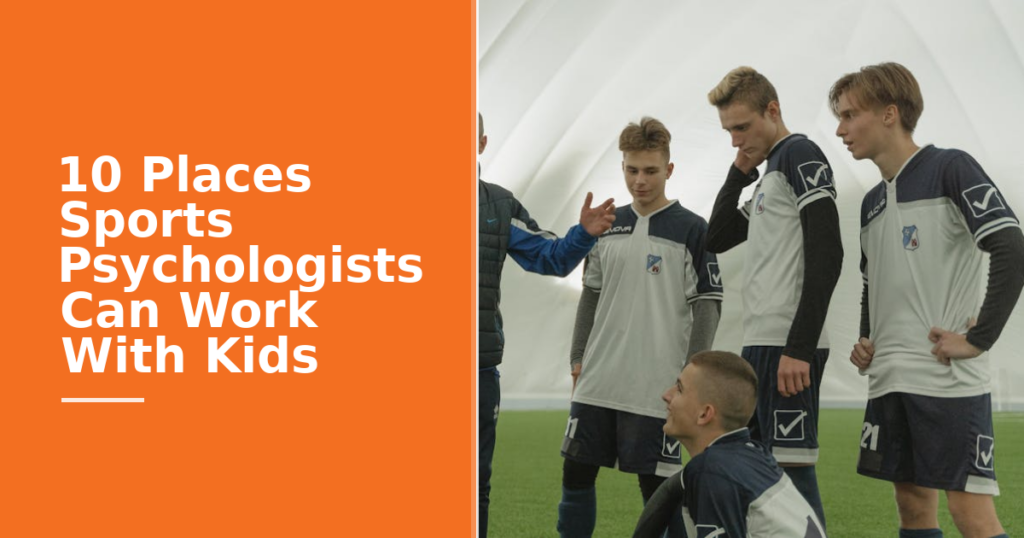
Working with young athletes is not simply a scaled-down version of adult performance consulting. Children and adolescents are still forming their identities, learning to regulate emotions, and figuring out where sport fits into a much larger life picture. A sport psychologist who specializes in developmental work must understand these realities and adapt every intervention accordingly.
The Developmental Stakes
Several pressures converge on young athletes today. Early sport specialization, where a child commits to a single sport year-round at age eight or nine, has become increasingly common. Parents may push for elite travel teams, extra coaching sessions, and showcase events in hopes of securing future scholarships. At the same time, young athletes are still developing their sense of self. When a child's entire identity becomes "I am a soccer player" or "I am a gymnast," any setback on the field can feel like a personal failure.
Developmental sport psychologists help young athletes build a broader, healthier identity by encouraging participation in multiple activities, nurturing interests outside of competition, and teaching coping skills that transfer well beyond the playing field.
Recognizing and Preventing Burnout
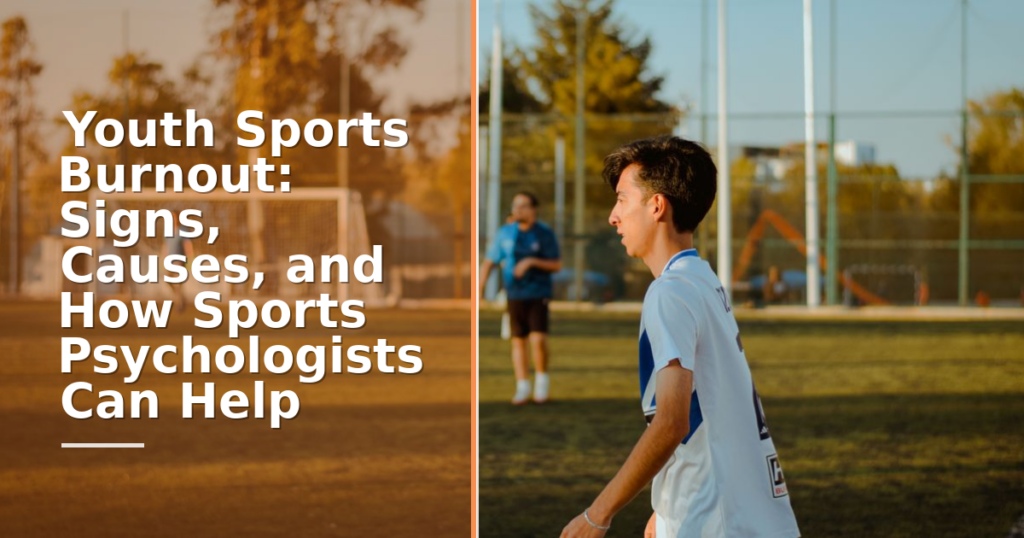
Burnout in youth sport is more than simple fatigue. Warning signs include chronic irritability, declining performance despite increased effort, emotional withdrawal from teammates, and loss of enthusiasm for a sport the child once loved. Risk factors range from excessive training loads to perfectionist tendencies to pressure from well-meaning adults.
Sport psychologists intervene on multiple levels. With the young athlete, they may introduce mindfulness techniques, help restructure unrealistic self-expectations, and create space for honest conversations about enjoyment. Equally important is working with coaches to design training cycles that include adequate rest and with parents to recognize when encouragement has tipped into pressure.
Parent Education as a Growing Specialty
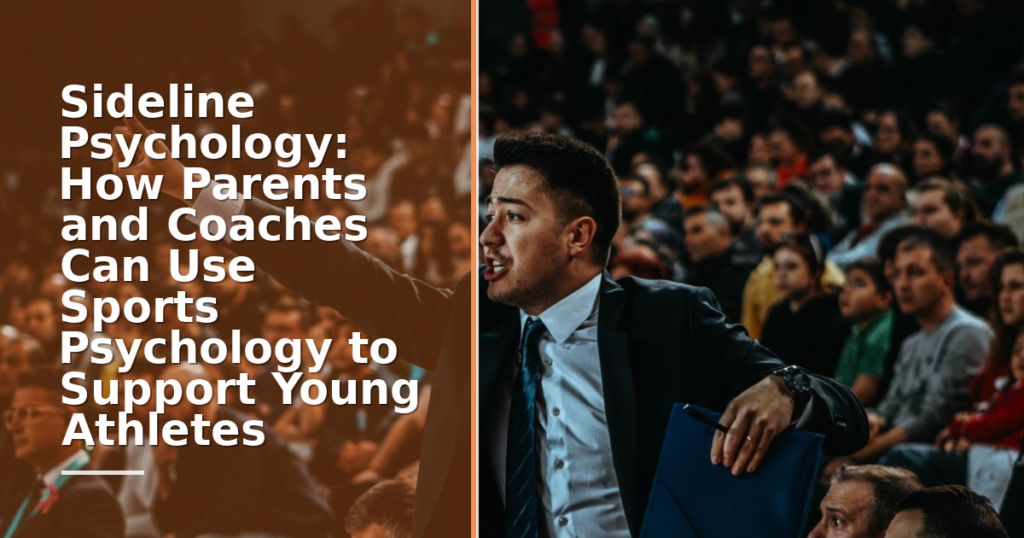
One of the fastest-growing areas within this branch is parent education. Sport psychologists increasingly lead workshops, one-on-one consultations, and sideline behavior programs that help parents understand the difference between supportive involvement and pressure-based involvement. Supportive parents focus on effort, enjoyment, and character development. Pressure-based involvement tends to center on outcomes, rankings, and comparisons to peers. Teaching parents to ask "Did you have fun?" instead of "Did you win?" may sound simple, but shifting that mindset can dramatically change a child's relationship with sport.
How This Branch Differs From Adult Performance Work
Unlike clinical vs. performance sports psychology tracks that focus primarily on competitive adults, practitioners in this specialty rely on age-appropriate goal setting, often emphasizing process goals ("I will communicate with my teammates during every drill") rather than outcome goals ("I will score three goals"). They prioritize intrinsic motivation, helping kids reconnect with the joy and curiosity that drew them to sport in the first place, rather than leaning on external rewards.
Long-term athlete development models also play a central role. These frameworks map physical, cognitive, and emotional milestones so that training demands match a young person's actual stage of growth. The result is a more sustainable, enjoyable athletic experience, one that keeps kids in sport longer and sets a stronger foundation for those who eventually pursue competition at higher levels. For older student athletes navigating these transitions, dedicated mental health resources for student athletes can offer additional support.
If you are drawn to protecting the well-being of young competitors and shaping the adults who guide them, this specialization offers meaningful, growing career opportunities within the broader field of sports psychology.