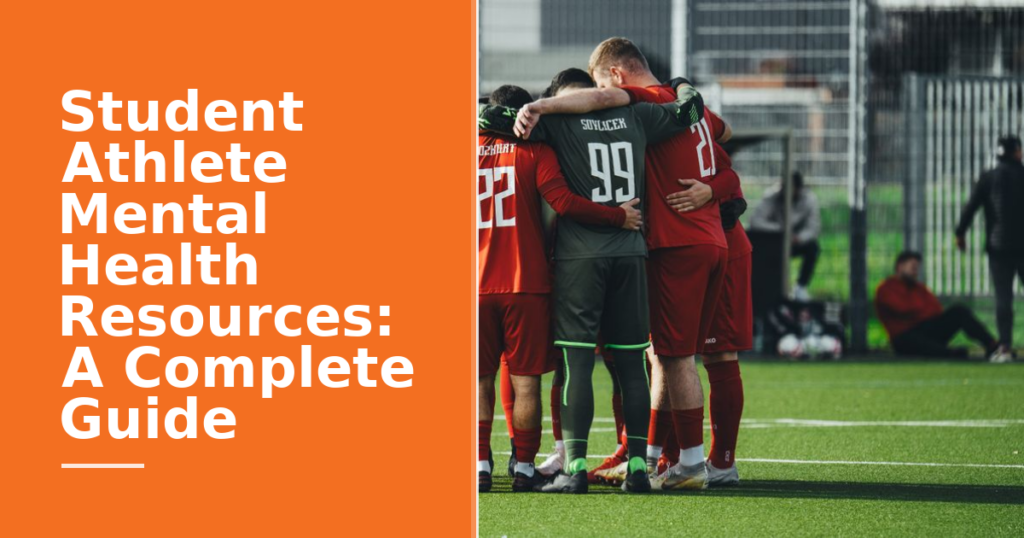
A mental health platform for college athletes is a structured service, usually digital, that connects student-athletes to therapy or coaching, crisis support, and provider matching around the schedule and pressures of college sport. Not every general wellness app fits a student who is at practice before 6 a.m., travels on weekends, and may hesitate to report symptoms for fear of losing playing time.
Start with privacy and crisis response
Before comparing features, confirm that the platform follows both health privacy and student education privacy rules (HIPAA and FERPA). It should also state clearly what happens in a mental health emergency. A 24/7 crisis line or urgent chat is the minimum, not an upgrade, because athlete schedules rarely align with business hours.
Compliance is a baseline, not a differentiator
NCAA and NAIA compliance should be verified, but a "compliant" label alone does not tell you whether care is athlete-informed. Many services can check the compliance box while still offering generic counseling that misses sport-specific concerns. Treat compliance as step one, then evaluate how the platform actually works.
Look for sports-aware providers
The strongest platforms match student-athletes with clinicians who understand sport culture, such as the pressure to perform through pain, the mental side of injury recovery, team dynamics, and transitions out of sport. Ask directly whether providers have experience with college athletes, not just general adolescents or adults. A long general network is not the same as a sports-specific referral list.
Check scheduling and cost
Travel, competition weeks, and early morning lifts make traditional daytime appointments difficult. Look for evening and weekend availability, short-notice rescheduling, and telehealth options that work from hotel rooms or training facilities. On cost, ask who pays: the athletic department, the school's health fee, insurance, or the student. Some universities cover a set number of sessions, while others pass the cost to athletes, so get that in writing before choosing.
Coordinate with campus counseling
An athlete-specific platform should add to campus resources, not replace them. The best arrangement is a bridge: platform clinicians handle sport-specific and after-hours needs, then coordinate care with the campus counseling center when a student needs in-person follow-up, academic accommodations, or ongoing psychiatric support. If a vendor cannot explain how it communicates with on-campus care, ask more questions.