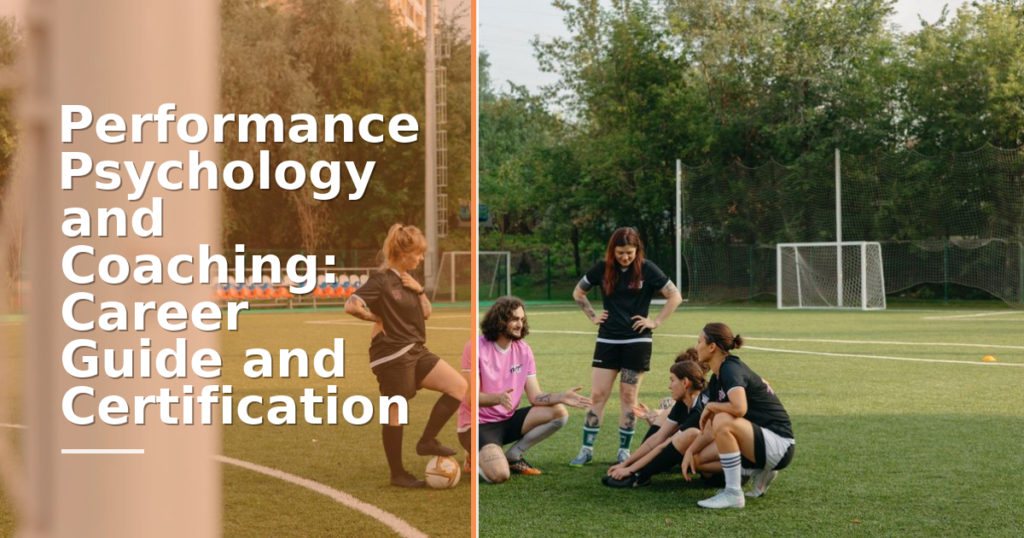
How Parents and Coaches Can Use Sports Psychology to Help Young Athletes Thrive
Evidence-based strategies for sideline behavior, post-game conversations, and building a unified mental environment that fosters confidence and lifelong enjoyment.
30% of young athletes who quit sports point to negative adult sideline behavior as a key reason.
Swapping "Did you win?" for "What did you learn?" shifts focus from outcome pressure to personal growth.
The car ride home is a psychologically pivotal moment that can build trust or create lasting strain.
Applied sport psychology professionals design evidence-based interventions to improve the emotional climate around youth athletes.
Nearly one in three young athletes who quit sports point to negative adult behavior, yelling, criticism, or unrealistic expectations, as a primary reason. Sideline psychology examines how the words, tone, and body language of parents and coaches on the sidelines directly influence a child’s mental health, confidence, and long-term engagement in sport. When the pressure to win overshadows the developmental purpose of youth athletics, the sideline becomes a source of stress rather than support. Shifting that dynamic requires moving from outcome-focused reactions to process-oriented encouragement, a practical application of branches of sports psychology that can change the entire emotional climate of youth sports.
The Far-Reaching Impact of Sideline Behavior
The difference between a word of encouragement and a critical outburst from the stands may seem small in the moment, but the ripple effects extend far beyond the final whistle. Sideline behavior shapes how young athletes feel about themselves, their sport, and their willingness to keep showing up. When parents and coaches understand that reach, they can shift from reactive spectators to intentional supporters.
Beyond the Game: Psychological Effects on Young Athletes
Children are still developing their sense of identity, and sports often become a central part of how they see themselves. When the sideline sends messages of disappointment, anger, or conditional approval , cheering only when they score, criticizing mistakes , kids internalize those reactions. They may start to tie their self-worth to performance, setting the stage for performance anxiety, fear of failure, and a drop in self-esteem. Over time, a hypercritical environment can even contribute to symptoms of depression and social withdrawal.1 Conversely, sideline environments that emphasize effort, resilience, and belonging help build mental toughness and a healthy relationship with competition.
Why Kids Walk Away: The Dropout Connection
Youth sports organizations have long observed a troubling pattern: many children quit organized sports well before high school, and sideline climate is consistently identified as a driving factor. While precise dropout figures vary by region and sport, the consensus among coaches and program directors is clear , negative parent behavior ranks among the top reasons kids lose interest. When the sideline feels like a place of judgment rather than support, the fun vanishes. Young athletes may dread game day, not because of the opponent, but because of how adults on their own side will react. Keeping kids in the game requires shifting the sideline from a pressure cooker to a safety net.
The Invisible Audience: Modeling Behavior for Other Spectators
One parent’s outburst doesn’t just affect their own child; it sets a tone for the entire crowd. Siblings, teammates, and even opposing families absorb that energy. In youth sports, the sideline is a community space where spectators learn what is , and isn’t , acceptable. When a handful of adults yell at referees, mock players, or coach aggressively from the sidelines, they normalize disrespect. The result is a contagious atmosphere that can escalate tension and undermine the values coaches are trying to teach. On the flip side, parents who applaud good plays from both teams and stay calm after mistakes model sportsmanship, emotional regulation, and respect , lessons that linger long after the season ends.
A Coach’s Influence Multiplies the Sideline Effect
Coaches hold a unique position: they directly shape team culture, but their sideline conduct also signals to parents what behavior is expected. A coach who remains composed, uses constructive language, and addresses mistakes calmly sets a powerful example. When parents see that the coach doesn’t berate players, they’re more likely to follow suit. In contrast, a coach who yells, blames, or shows visible frustration can inadvertently give parents permission to do the same. Coordinating expectations between coaches and parents , through preseason meetings or shared team values , creates a unified environment where sideline behavior consistently supports young athletes’ mental well-being.
Did You Know?
In a national survey, 30% of young athletes who quit sports pointed to negative adult behavior, shouting, criticism, or unrealistic expectations, as a key reason. Adult sideline conduct can shape whether a child stays in the game.
Parent Sports Psychology: Shifting From Pressure to Process
Today's youth sports culture is actively moving away from a win-at-all-costs mentality toward a process-focused approach that prioritizes long-term development. Research consistently shows that when parents emphasize mastery and effort over outcomes, young athletes experience greater engagement, resilience, and enjoyment.1 A mastery focus, encouraging kids to value learning, decision-making, and personal growth, reduces burnout risk, while a performance focus centered on winning, stats, and rankings often increases pressure and anxiety.1
Understanding Process- vs. Outcome-Oriented Support
At the heart of effective parent sports psychology lies a simple shift: celebrate the journey, not just the result. Instead of asking "Did you win?" after a game, parents can say "What was the best part of the game for you?" or "Tell me something you did well today." These open-ended questions let the child lead the conversation and reflect on their experience, reinforcing autonomy and intrinsic motivation, which is central to the guidance on how parents can support their children in sports without pressuring them. The Association for Applied Sport Psychology advises parents to ask about their child’s own goals before competitions and to offer short, process-oriented cues during play, like "Nice hustle!" or "Great effort!", while avoiding technical coaching from the sidelines.1 This boundary respects the coach’s role and keeps the parent in a supportive, rather than instructional, space.
Simple Communication Swaps for Game Day
Pre-game: Instead of "Go score three goals," try "What are you hoping to focus on today?" This invites the child to set their own intentions.
During the game: Replace yelling instructions with brief, encouraging phrases: "Love your energy!" or "Keep working hard!" This fuels the child’s emotional tank without overwhelming them.2
Post-game: Resist the urge to analyze performance. Instead, lead with "I’m proud of who you are on and off the field."3 After a loss, acknowledge the disappointment but pivot to growth: "It’s okay to feel upset. What’s something you improved on?" This reframes setbacks as learning opportunities.2
Building Your Own Sideline Calm
Parental emotional regulation is equally important. Before games, try a brief mindfulness routine: take three slow breaths, repeat a personal mantra like "I am here to support, not to coach," and set an intention to model composure. During tense moments, focus on your physical reactions: unclench your jaw, relax your shoulders to avoid projecting stress onto your child. Experts also recommend checking in with your athlete regularly: "How do you like me to support you during games?"4 This aligns your behavior with their needs and strengthens trust.
Anchoring Praise in Effort and Sportsmanship
Effective praise goes beyond the scoreboard. Acknowledge perseverance: "I loved how you kept trying even when it was hard."3 Highlight teamwork or integrity, like thanking an official or helping a teammate up. By consistently reinforcing effort, growth, and character, parents help young athletes develop a healthy, lifelong relationship with sports.
Coach Sideline Strategies: Modeling Calm and Constructive Reactions
Why Coach Composure Matters
When a young athlete makes a mistake, the first place they often look is the sideline. A coach's immediate reaction (facial expression, body language, or verbal response) can either reinforce anxiety or build resilience. Sport psychology research consistently shows that athletes perform better and enjoy sport longer when coaches model emotional control, especially after errors. You don't need to be a mental performance expert to get this right, but you do need self-awareness and a few evidence-backed strategies.
Practical Self-Regulation Techniques
Staying calm under pressure starts with your own regulation. Before addressing a player after a turnover or missed play, try a brief mindful breath: inhale for four counts, exhale for six. This lowers your heart rate and gives you a moment to choose your words intentionally. Another approach is to use a neutral verbal acknowledgment like 'reset' or 'next play' to shift focus forward. These small habits signal to the team that mistakes are part of growth, not crises.
Pause before reacting: A three-second rule helps you avoid an impulsive, critical remark.
Focus on effort, not outcome: Praise hustle and decision-making, even when the execution isn't perfect.
Use 'we' language: Phrases like 'we'll learn from this' reduce individual blame and keep the team cohesive.
Where to Find Deeper Guidance
If you want to sharpen your sideline presence, start with sport psychology resources from authoritative organizations. The Association for Applied Sport Psychology (AASP) offers free tip sheets and webinars on coaching communication. Many university athletic departments also publish open-access resources on positive coaching techniques. For those considering formal training, school websites for sport psychology or coaching education programs list course content and practical competencies. No specific school is needed; a quick search of 'coaching minor' or 'sport psychology certificate' will surface options.
Government data sources like the Bureau of Labor Statistics (BLS) can provide context on the broader coaching and sport psychology job landscape, though they are more relevant for career planning than for sideline tactics. Professional associations such as the American Psychological Association's Division 47 (Sport, Exercise, and Performance Psychology) also maintain evidence-based guidelines for practitioners that coaches can adapt to their own context.
Building a Supportive Team Culture
Beyond your own behavior, think about the norms you cultivate. A coach who consistently models calm reactions sets the tone for parents and assistants. Encourage your coaching staff to adopt a shared communication philosophy, perhaps by dedicating a portion of a preseason meeting to discussing sideline conduct. When everyone buys into constructive reactions, the sideline becomes a source of stability rather than stress.
Age-Specific Mental Game Guidance
A one-size-fits-all mental game approach ignores the very real developmental differences that shape how young athletes think, feel, and respond to pressure. Tailoring psychological tools to a child's age group makes sideline support more effective and helps young athletes build resilience step by step.
Under 10: Keeping It Simple and Sensory
Young children live in the moment. Their attention spans are short, their thinking is concrete, and emotions can flare up quickly. The most useful mental skills at this stage are simple, physical, and instantly usable.
Focus cue: A clear, one-line instruction like "eyes on the ball" redirects attention without overloading the brain.
Emotional technique: Belly breathing gives children a tangible way to settle nerves. Teach them to place a hand on their stomach and feel it rise and fall.
Communication tip: Praise effort, strategy, and persistence rather than just results. Say, "I loved how you kept trying to pass even when it was hard."
Skill-building exercise: A "red light/green light" reset works well during practice. Coach calls "red light" to pause activity, players take three slow breaths, then "green light" to resume. Over time, kids learn to self-regulate on the field.
Example sideline script: "Let's take a belly breath together. Breathe in slow... and out slow. Now, where are your eyes going next?"
Early Teens (11, 14): Building Self-Awareness
Early adolescents face a surge in self-consciousness, peer comparison, and emotional ups and downs. Mental game tools now shift toward recognizing internal states and making small, controllable choices.
Cognitive strategy: Identify controllables. Help them list what they can control (effort, attitude, preparation) and what they cannot (referees, weather, final score).
Self-talk script: A short reset phrase like "breathe and reset" gives them something to say internally when frustration builds.
Emotional strategy: Arousal regulation means learning to spot when energy is too high (butterflies, racing heart) or too low (flat, disengaged) and using a quick breathing pattern to find the middle.
Communication tip: Give choices, not commands. "Do you want to focus on your footwork or your communication today?" respects their growing need for autonomy.
Skill-building exercise: Create an if-then coping plan: "If I miss a shot, then I'll take a deep breath and focus on the next play." Practice these scenarios during low-stakes drills so the response becomes automatic.
Late Teens (15, 18): Partnering for Independence
Older teenagers are capable of deeper reflection, long-term goal setting, and personalizing their mental preparation. The adult's role shifts from teacher to collaborator.
Cognitive strategy: Advanced goal setting focuses on process goals (improving a specific skill or routine) rather than outcome goals alone. This keeps motivation steady even when results fluctuate.
Emotional strategy: A personalized pre-performance routine might include a specific playlist, a visualization sequence, a breathing pattern, and a cue word. The athlete designs it, testing what works.
Communication tip: Treat athletes as collaborators. Ask, "What did you notice about your focus today?" before offering observations.
Skill-building exercise: Keep a simple performance log that captures one mental success and one area to adjust after each competition. Over weeks, patterns emerge that the athlete can discuss with a coach or sport psychology professional.
For all age groups, developmental sport psychology research emphasizes that mental skills stick best when they are embedded directly into sport practice rather than taught in a separate classroom setting. By matching the tool to the developmental stage, parents and coaches build a stronger, more supportive environment, underscoring the importance of sports psychology in helping young athletes thrive mentally and emotionally.
Questions to Ask Yourself
This shift from performance to emotional well-being uncovers unseen pressures and strengthens trust between parent and child.
Prioritizing outcomes over process can lead to fear of failure, while valuing effort builds resilience and a growth mindset.
Your one-word self-assessment reveals subconscious behavior patterns that either calm or escalate anxiety in your young athlete.
The Car Ride Home: A Critical Post-Game Window
The car ride home after a game is one of the most psychologically significant moments in a young athlete's week. It’s also one of the most easily mishandled. Yet when parents and coaches understand the benefits of sports psychology for athletes, they can turn it into a powerful growth opportunity.
Why the Car Ride Feels So Charged
After the final whistle, emotions run high. Young athletes are still processing the adrenaline of competition, the sting of a mistake, or the thrill of a goal. Parents may ride a parallel wave of pride, frustration, or worry about their child's performance. This shared emotional intensity makes the car a pressure cooker1, and adolescents in particular often report feeling trapped with unavoidable feedback3. Without intentional structure, those few minutes can quickly turn into a conflict-heavy debrief that chips away at self-esteem1.
A Step-by-Step Debrief That Protects Self-Esteem
Research highlights a sequence that preserves the parent-child bond while still supporting growth. The goal is to let the athlete lead the conversation when they are ready, rather than launching into a performance critique. Consider these steps:
Listen first: Say something like "I'm here whenever you want to talk" and genuinely stay quiet. Athletes consistently say they want parents to listen more than they talk3.
Validate emotions, not outcomes: If your child shares disappointment, reflect it back: "It sounds like you're frustrated with how the second half went." This shows understanding without immediately fixing the problem.
Ask open-ended questions later: Once feelings have settled, you might ask "What part of the game felt best to you?" or "What did you learn today?" Questions about effort and teamwork shift focus away from the scoreboard1.
Delay corrective feedback: Save the technical advice for a day or two later, when the emotional charge has dissipated4. This respects the athlete's processing time and reinforces that they are more than their performance.
Scripts That Signal Safety, Not Judgment
The words you choose during the car ride can either open a door or close it. Research-backed scripts help parents sidestep the trap of immediate critique. One of the most powerful openers is simply: "I loved watching you play."2 This short sentence communicates unconditional support, freeing the athlete from feeling evaluated. If you feel your own emotions surging, you can model self-regulation: "I've got my own feelings about the game too, so I'm going to wait before I say much."2 This validates the child's emotional experience while showing that adults also need time to cool down.
Handling the Tough Loss
After a heartbreaking defeat, athletes may carry shame or sadness into the car. A direct advice push at that moment can make them feel like a disappointment. Instead, try a script like: "I know that was a tough one. I love you, and I loved watching you compete."5 This separates the outcome from the child's worth and preserves the relationship as a secure base. When feedback does come later, it lands on more receptive ears because the connection was protected first.
Parent-Coach Coordination: Building a Unified Mental Environment
When parents and coaches send different messages, young athletes can feel caught between two loudspeakers tuned to contradictory stations. One voice urges risk-taking and fun, while the other demands mistake-free performance. The result is often anxiety, confusion, and a draining of the very enjoyment that keeps kids in sport. Coordinating those voices into a single, supportive chorus is one of the most powerful moves adults can make.
The Cost of Mixed Messages
Conflicting guidance doesn't just create awkward car rides home. It erodes an athlete's sense of security. A young player who hears a coach emphasize effort and learning, but then receives pointed corrections from a parent focused solely on goals scored, begins to question which standard matters. That internal tug-of-war has been linked to increased stress, a higher likelihood of burnout, and early dropout from organized sport, underscoring the need for accessible mental health resources for student athletes. A 2024 scoping review of coach-parent interactions1 highlighted how fragmented communication consistently undermines athlete enjoyment and retention, while a grounded theory study of 20 coach-parent relationships2 found that misunderstandings often stem from simply never having aligned expectations in the first place.
A Step-by-Step Coordination Protocol
Research points to a clear, repeatable framework for building a unified mental environment. The process starts early and stays consistent.
Pre-season triad meeting. Before the first game, the coach, parent, and athlete sit down together, even briefly, to establish shared goals. The athlete leads by describing what they hope to get from the season, which immediately centers their voice. The meeting sets the tone that everyone is on the same team, not competing for influence.3
Agreed-upon sideline rules. The group then defines concrete sideline behavior. One evidence-backed rule is to cheer effort and sportsmanship only, not outcomes. That means applauding hustle, teamwork, and resilience rather than goals, wins, or individual stats. Removing outcome-based commentary from the sidelines eliminates a major source of pressure and keeps the focus on development.3
Feedback channels and conflict resolution. Decide in advance how and when feedback will be shared. Parents and coaches agree to a communication rhythm, perhaps a brief check-in every two weeks, rather than impromptu post-game critiques. If a disagreement arises, a 24-hour cooling-off period is built into the protocol. No difficult conversation happens in the heat of the moment. This simple rule, drawn from applied sport psychology interventions4, prevents emotional flare-ups from damaging relationships and models the emotional regulation adults want to see in young athletes.
Evidence That Unified Support Works
When the triad aligns, athlete outcomes shift measurably. Studies consistently link coordinated parent-coach partnerships to greater athlete enjoyment, higher retention rates, and healthier developmental progression.1 In the 2024 scoping review1, meaningful partnerships were identified as a key pillar of positive youth sport experiences. The initial “introduction and discovery” stage2, where roles and expectations are openly discussed, proved essential for preventing later tension. Athletes who perceive that the adults in their corner are truly on the same page report stronger sport confidence and a deeper sense of belonging. For families and coaches willing to do the upfront work, the payoff is a sideline climate that nourishes rather than drains, and a young athlete who feels supported from every angle.
Common Questions About Sideline Psychology
Parents and coaches often share the same uncertainties when it comes to applying sport psychology principles on the sideline. The following questions address real scenarios and provide practical guidance rooted in mental skills training and youth development research.
How can parents support their child's mental game without applying pressure?
Shift the focus from outcomes to effort and growth. Use three goal levels: a dream goal, a challenging but realistic silver goal, and a minimum acceptable target that keeps confidence intact even on tough days. Ask your child to self-rate effort or enjoyment on a scale from 0 to 10 rather than drilling into stats. Short mental skills sessions of 5 to 10 minutes, done 3 to 5 times a week, can build resilience without making the kitchen table feel like a film review. If parents are unsure, a qualified sport psychology practitioner can help design age-appropriate routines that emphasize performance skills, not therapy.
What should coaches say to a young athlete after a mistake?
A post-error routine helps athletes reset quickly. Encourage a simple physical cue like taking a deep breath, a short cue word such as 'next play', and a refocus question like 'What can I do right now?'. After the game, guide the athlete through a 3-2-1 review: three things that went well, two things to improve, and one action to practice next time. This keeps feedback constructive and prevents shame from lingering. Coaches who model calm reactions also reinforce that mistakes are part of learning, not signs of failure.
Why is the car ride home after a game so important in sports psychology?
The minutes right after a game are raw. Young athletes are processing emotions and still mentally fatigued. Interrogating them with 'Why did you miss that shot?' can feel like added pressure at a vulnerable moment. Sport psychology best practices suggest letting the athlete initiate conversation, and if they want to talk, focus on what they learned rather than the score. Save the 3-2-1 review for a later, settled moment. Many youth sport programs now recommend a mental health action plan that includes annual screenings, and the car ride home is not the time for that either; it is a space to just be a supportive listener.
How can parents and coaches work together to improve a young athlete's confidence?
Alignment is everything. When parents and coaches use similar language around effort, process goals, and improvement, the child hears one consistent message. Both can adopt the 3-2-1 post-competition format. Coaches can share the mental skills they are working on, drawn from frameworks like the nine core mental skills recognized by the Association for Applied Sport Psychology, and parents can reinforce those at home. Brief daily check-ins using a self-rating scale, rather than critiquing performance, build trust and confidence without creating a pressure cooker. If the relationship feels strained, involving a sport psychology consultant for a joint session can reset communication.
What are the warning signs that a young athlete is struggling mentally?
Watch for persistent changes that last more than a couple of weeks: withdrawal from teammates, noticeable declines in practice effort, irritability, or statements about worthlessness tied to performance. An annual mental health screening, recommended by NCAA best practices, can catch issues early. It is crucial to distinguish between everyday nerves and something deeper. A sport psychology practitioner addresses performance mental skills, while a licensed therapist handles mental health disorders. If warning signs appear, seek qualified support rather than relying on sideline advice. Early intervention can prevent social exclusion that research links to heightened anxiety and lower self-esteem.
What does a healthy sideline culture look like in youth sports?
A healthy sideline is calm, encouraging, and focused on effort, not the referee's calls or the scoreboard. Coaches model composed reactions after mistakes; parents cheer for all kids, not just their own; and no one yells instructions that contradict the coach. This environment fosters a sense of belonging, which social identity theory emphasizes as a core human need. When young athletes feel included and supported, they experience less performance anxiety and build genuine confidence. A positive sideline culture treats sports fluency, understanding the game and its mental demands, as a shared journey rather than a win-at-all-costs pursuit.
From Sideline to Career: How Applied Sport Psychology Professionals Help
More Than Just Motivation: The Professional's Role
Applied sport psychology professionals do more than cheer from the stands. They design evidence-based interventions that reshape the emotional climate surrounding youth athletes. While a well-intentioned parent can offer encouragement, a trained practitioner understands how to assess team dynamics, address performance anxiety, and equip coaches with strategies that reinforce mental resilience. These professionals work behind the scenes, translating research on motivation, stress recovery, and group cohesion into concrete sideline protocols that reduce pressure and foster long-term athlete well-being.
Bridging Gaps with Sports Fluency: A New Approach
One innovative example comes from the growing field of sports fluency. In a June 2026 Psychology Today article on sideline psychology, Ryan C. Warner, Ph.D., highlights the work of Amanda Gunville, a sports media veteran who founded Champera, a football fluency platform designed specifically for women. Gunville, whose background includes roles in the NFL, FOX Sports, and ESPN, recognized that knowledge gaps often lead to social exclusion, which research links to increased anxiety and lower self-esteem. By making football concepts accessible, Champera functions as a psychosocial intervention, helping parents and fans feel more connected and confident on the sidelines. Dr. Warner's piece underscores how sport psychology professionals can extend their impact beyond performance enhancement, using inclusion-focused tools to strengthen the mental health of entire sports communities.
Where a Sport Psychology Degree Can Take You
For those drawn to this kind of work, formal education offers a structured pathway. Graduate programs in sport psychology, the pathway to becoming a sports psychologist, prepare you to address thorny sideline dynamics with authority. Graduates pursue roles such as mental performance consultant, athletic department wellness coordinator, or clinical sport psychologist, each a part of the growing careers in sports psychology. In each setting, the goal is the same: replace harmful sideline scripts with supportive, process-oriented interactions. Coursework in social identity theory, group dynamics, and applied ethics helps you understand why a car-ride debrief can shape a child's self-concept for years, and how to guide parents and coaches toward healthier alternatives.
Earning a degree also connects you to a network of mentors and peers who share a commitment to evidence-based practice. Whether you envision launching a private consulting business or integrating into a school's athletic staff, your training becomes the foundation for meaningful change. Ultimately, the sideline is where sport psychology theory meets real-world emotion; professionals who step into that space help transform it from a pressure cooker into a developmental asset.