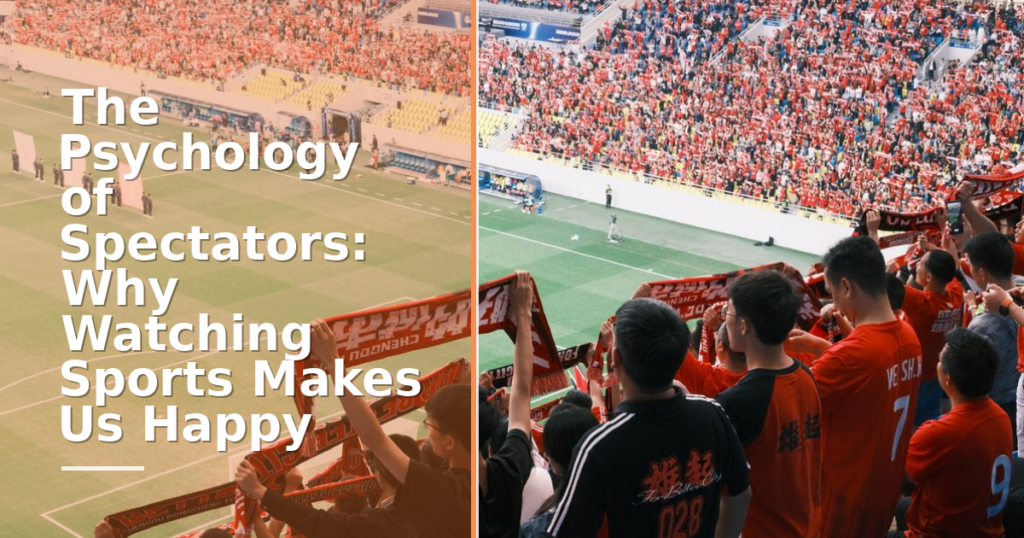
Event destination image boosts long-term sport participation through sport attraction.
High perceived stress weakens the motivational pull of positive event imagery.
Layered stress management and goal setting strategies sustain athlete engagement.
On 03 August 2026, Frontiers in Psychology published a study in Volume 17 testing an unexpected predictor of whether people keep participating in sport: not their fitness level, not their coach, but the image they hold of the event's host destination. Across 290 respondents, Liu and colleagues found that destination image drives future participation indirectly, through sport attraction, and that perceived stress dampens the entire chain.
For practitioners, that moderating role is the sharp edge. A high-stress client is not just harder to motivate; they respond differently to the same promotional imagery, event branding, and goal-setting cues that work on lower-stress athletes. Stress is not background noise in participation research anymore.
The Research at a Glance: Key Findings on Event Image and Motivation
A 2026 study of 290 participants used structural equation modeling to test a new framework linking the image of a sport event destination to long-term participation motivation.1 Published in Frontiers in Psychology (Volume 17) by Liu and colleagues, the research is the first to demonstrate that the visual and emotional appeal of where a sport event takes place can indirectly fuel a person's desire to keep playing or training well after the event ends.
The Core Pathway: Image → Attraction → Participation
The study confirmed a clear chain reaction. When participants perceive a sport event destination as attractive, exciting, or inspiring, that positive image boosts their attraction to the sport itself. In turn, heightened sport attraction strengthens their motivation to continue or increase their participation in that sport. This mediation model shows that sport attraction acts as a psychological bridge: the destination image does not directly push someone to play more, but it deepens their connection to the sport, which then becomes a self-sustaining driver of future activity.
The Stress Factor: When Stress Changes Everything
A crucial twist emerged when the researchers examined perceived stress. High stress levels dampened the positive effect of destination image on sport attraction, effectively muting the motivational pathway.1 In other words, even the most stunning event backdrop may fail to spark lasting interest if the individual feels overwhelmed or anxious. This finding highlights that stress is not merely a background condition; it actively narrows the psychological space needed for positive sport experiences to translate into enduring habits.
A First-of-Its-Kind Model
Prior work had explored how event characteristics influence immediate satisfaction, but this study is the first to map the entire route from destination image through sport attraction to long-term participation. The structural equation model allowed the research team to test multiple relationships simultaneously while controlling for measurement error, lending rigor to the conclusions. Although exact path coefficients and fit indices were not disclosed in the article preview, the overall model structure held up well across the sample, and the direction of all effects aligns with established theories in sport and environmental psychology. The inclusion of perceived stress as a moderator pushes the model from a simple explanatory tool to a practical guide for intervention, showing that reducing stress can re-open the motivational channel for those who might otherwise disengage.
Did You Know?
Roughly half of adults who start an exercise program quit within six months. In one fitness club study, 44% of dropouts cited lack of motivation as the reason. Stress often underlies that lack of drive, making it harder to stick with a new routine.
The Psychology Behind the Findings: How Event Image Shapes Sport Attraction
Why does a beautifully staged event in a scenic host city make people want to lace up their own running shoes weeks later? The answer sits at the intersection of two well established frameworks: image theory and self-determination theory. Together they help explain why the picture in an athlete's head about where a sport happens can meaningfully shape whether they participate in that sport at all.
Image Theory: Cognitive and Affective Impressions Do Work
In image-based frameworks, destination image is built from two layers: cognitive impressions (what you know or believe about a place) and affective impressions (how it makes you feel). Environmental psychology models, going back to Mehrabian and Russell, argue that these impressions function as stimuli that shape behavioral responses, including revisit intention and, in the sport context, participation.3 When a triathlon in Nice or a marathon in Tokyo is framed as breathtaking, welcoming, and well organized, viewers, as sports spectator psychology research illustrates, form positive cognitive and affective impressions that quietly raise the appeal of the sport itself.
Self-Determination Theory: Two Kinds of Motivation
Self-determination theory distinguishes controlled motivation (driven by external rewards, image, or social pressure) from autonomous motivation (driven by genuine interest, enjoyment, and identity). Work by Aicher and colleagues suggests that organizational and destination cues around an event feed both channels: reputation and rewards push controlled motivation, while the destination environment, social identity, and emotional experience nurture autonomous motivation. That dual pathway matters, because autonomous motivation is what tends to keep athletes participating over time.
What Liu and Colleagues Add
The 2026 Liu et al. study extends these frameworks in a specific way. Rather than stopping at image predicting intention, the authors position sport attraction as the psychological mechanism in between. A favorable event destination image raises the perceived appeal of the sport, and that heightened attraction then predicts near-term participation. The Psychological Continuum Model helps make sense of this: awareness gives way to attraction, which is the doorway to attachment and allegiance.
A practical example makes it concrete. A well-marketed marathon destination, think coastal course, vibrant expo, friendly crowds, does not just sell that one race. It makes distance running itself feel more aspirational and more accessible, nudging a recreational runner from spectator to entrant.
Why Stress Matters: The Moderating Role of Perceived Stress
Reading about stress as a passive backdrop to athletic motivation versus understanding it as an active force that reshapes how athletes respond to event imagery are two very different starting points; the distinction matters for anyone working in sports psychology. The Liu et al. (2026) study published in Frontiers in Psychology positions perceived stress as a variable that influences whether a positive event destination image actually translates into sustained sport participation. However, the precise statistical role stress plays in this model, and the magnitude of its effect, deserve careful, firsthand examination rather than secondhand summary.
A Transparent Note on the Data
While the Liu et al. (2026) study is positioned within a framework exploring perceived stress as a moderator of the relationship between event image and sport participation, broader research from 2026 more commonly treats perceived stress as a mediator linking exposures to outcomes rather than a moderator that changes the strength of those links. Mental toughness and friendship quality, for example, have been identified as moderators in related studies.12 while perceived stress itself tends to sit on the pathway between a stressor and an outcome like well-being or life satisfaction. This nuance is important: mediators explain why an effect happens, while moderators explain when or for whom. Because population-level prevalence data on perceived stress as a specific barrier to sport participation are not currently available from major sources like ACSM, CDC, or APA in a form that can be cited with confidence here, this section focuses on guiding you toward the primary evidence so you can draw well-grounded conclusions on your own.
How to Find and Evaluate the Original Evidence
To examine the moderating or mediating role of perceived stress in the Liu et al. study, search academic databases such as PubMed or Google Scholar using terms like "perceived stress moderating physical activity" or "sport event destination image perceived stress 2026." Look for the study's DOI (10.3389/fpsyg.2026.1863652) to access the full text directly. Once you locate it, focus on the reported effect sizes and confidence intervals in the structural model assessment tables, as these will tell you how strong the stress-related effects actually are and whether they are statistically meaningful.
Where to Find Reliable Prevalence Data
If you want to contextualize the study's findings with broader statistics on stress and physical activity, prioritize these sources:
BLS.gov: The American Time Use Survey tracks physical activity patterns across demographic groups and can help you understand participation trends.
CDC.gov: The Behavioral Risk Factor Surveillance System and Youth Risk Behavior Survey provide surveillance data on physical activity levels among adults and adolescents.
ACSM.org: Physical activity guidelines and position stands offer context for recommended activity levels and common barriers.
APA.org: The annual "Stress in America" survey provides nationally representative data on perceived stress levels, including breakdowns by age group.
For youth-specific data, check your state or local public health department portals, which often publish community health assessments that include physical activity and mental health indicators. School district wellness reports can also be valuable. In all cases, prioritize sources published within the last five years that describe their methodology clearly.
Why This Matters for Practitioners
What research consistently supports is that perceived stress is negatively associated with mental health and well-being across multiple populations.1 That relationship is robust enough to treat stress as a serious factor when designing interventions around sport participation. Even without a single clean prevalence statistic, the weight of evidence suggests that higher stress levels can dampen the motivational benefits of appealing event imagery. For sports psychologists, this reinforces the need to assess and address stress as part of any strategy aimed at increasing or sustaining athletic engagement. Rather than assuming a positive event experience will automatically drive future participation, practitioners should consider whether an athlete's stress load might be blunting that effect, and plan accordingly.
When perceived stress is high, even the most compelling event destination image loses its motivational pull on subsequent sport participation.
Adapted from Liu et al., Frontiers in Psychology, 2026
Implications for Sports Psychologists: What This Means for Practice
How can sports psychologists use research on event destination image and stress to help athletes stay engaged in sport over the long term?
The 2026 study published in Frontiers in Psychology1 offers a dual finding that translates neatly into practice: participation does not hinge on motivation alone. Instead, two levers work together. The attractiveness of a sport or event pulls people in, while perceived stress can dampen or amplify that pull. For practitioners, this means that building motivation and managing stress are not separate goals. They are two halves of the same intervention.
Rethinking the Intake Process
Traditionally, a sports psychologist might focus an initial assessment on motivation, goal clarity, and performance history. This research suggests adding a routine screen for perceived stress levels, because stress can quietly undermine even strong sport attraction. A participant who finds an event visually exciting and socially appealing may still fail to register or return if life stress is running high and unaddressed.
Consider incorporating a brief perceived stress measure into what to expect in a first session with a sport psychologist. This does not need to be burdensome: a validated short-form questionnaire, paired with a conversation about current life demands, can flag clients who need stress management support before or alongside motivational work.
Using Event Imagery as a Motivational Tool
The study's finding that destination image feeds sport attraction opens a practical door. Sports psychologists can use vivid, positive imagery of upcoming events or training environments as a motivational anchor. For example:
Share photos, videos, or narratives about an event's setting during goal-setting sessions to strengthen a client's emotional connection to participation.
Encourage athletes to visualize not just performance outcomes but the broader experience: the venue, the atmosphere, the social elements.
Collaborate with event organizers or coaches to ensure promotional materials highlight the qualities that research links to sport attraction, such as scenery, community, and novelty.
A Lens, Not a Silver Bullet
It is important to recognize limitations of sports psychology research. A single study with 290 participants cannot deliver a complete framework, but it adds an evidence-based lens. Destination image is one factor among many that shape participation, and perceived stress interacts with countless other variables in a person's life.
The practical value lies in integration. Sports psychologists who already use sports psychology coaching techniques like goal setting, self-talk, or motivational interviewing can layer in these insights without overhauling their approach. Ask about stress. Use positive imagery deliberately. Monitor whether high-stress periods coincide with drops in participation or enthusiasm.
By treating motivation and stress as connected rather than separate concerns, practitioners position themselves to support more sustained, meaningful engagement in sport, which is ultimately what most clients are seeking when they walk through the door.
Evidence-Based Strategies to Boost Sport Attraction and Reduce Stress
The practical tension for most practitioners is depth versus breadth: do you go deep on one intervention your client already trusts, or layer several evidence-based tools to hit stress from multiple angles? The meta-analytic evidence increasingly favors the layered approach, but only if you sequence it well and match the tool to the athlete's presenting concern.
Stress and Anxiety: What the Meta-Analyses Support
Four intervention families have the strongest recent support for reducing competitive anxiety in athletes:
Mindfulness-based interventions: A 2026 systematic review and meta-analysis of mindfulness-based interventions for competitive anxiety found a moderate reduction in competitive anxiety (Hedges' g = -0.53), with a larger effect on cognitive anxiety (g = -0.58) than somatic anxiety (g = -0.41). A separate 2026 meta-analysis of mindfulness interventions for emotion regulation reported a large improvement in emotion regulation (g = 0.81). Translation: mindfulness is especially useful for athletes who ruminate, over-analyze, or lose attentional focus before events.
Mindfulness-Acceptance-Commitment (MAC): In a 2026 Bayesian network meta-analysis of competitive anxiety interventions, MAC ranked at the top for reducing competitive anxiety (effect size around -1.33). If you are trained in it, this is often the highest-yield choice for chronic pre-competition anxiety.
Cognitive-behavioral therapy: A 2025 Frontiers meta-analysis found a large effect on athlete anxiety (SMD = -1.04)1. CBT is a strong fit when the athlete's stress is driven by identifiable distorted beliefs (e.g., catastrophizing about selection or injury).
Psychological skills training packages: A 2024 meta-analysis of psychological skills training and performance enhancement showed PST outperformed controls on performance (g = 0.83), and a 2025 synthesis reported a large point estimate for anxiety reduction (SMD = -1.21)1, though the wide confidence interval means individual results will vary.
Progressive relaxation: Effective in the 2026 network meta-analysis, particularly for cognitive anxiety, but generally weaker on somatic symptoms than other approaches. Good as an adjunct or entry-point technique.
Goal-setting has less clean isolated evidence, but a 2025 mapping review reported medium-to-large effects for process-goal setting when it is embedded in a broader skills package.
Building Sport Attraction Alongside Stress Work
The destination-image study reminds us that reducing stress is only half the job. To keep athletes engaged, work on the pull side too:
Use positive event imagery in session: guided visualization of the venue, crowd, and rituals the athlete finds meaningful.
Coach a mastery climate with coaches and parents: emphasize personal improvement over outcome comparisons.
Anchor motivation in intrinsic goals (competence, connection, enjoyment) rather than external rewards alone.
Combining Approaches in Session
A workable sequence for most clients: start with two or three sessions of psychoeducation and relaxation to build trust and give quick wins, layer in mindfulness or CBT depending on whether the stress is more attentional or belief-driven, then use goal-setting and imagery to convert reduced anxiety into sustained sport attraction. Caveats matter. Effects are largest in controlled trials with motivated participants, and heterogeneity across studies (I² around 63% for the mindfulness synthesis) means individual response will vary. Track outcomes with brief session-by-session measures so you can adjust rather than assume.
A Session Roadmap: Goal Setting and Stress Management in Practice
Sports psychologists can translate the findings from Liu et al. (2026) into a practical, four-step client session framework. Each step builds on the previous one, moving from assessment through intervention to collaborative goal setting. This sequence helps practitioners leverage positive event imagery while directly addressing the moderating role of perceived stress.