Building Championship Mindset: One-On-One and Group Strategies
Building a championship mindset in professional soccer is not about vague inspiration; it is about structured, evidence-based mental skills training tailored to each player's role and the team's collective pressure points. At St Johnstone, sport psychologist Steven Turnbull designed a blend of one-on-one coaching and group sessions that addressed the specific demands of the Scottish Championship, where margins are thin and mental resilience often separates promotion from disappointment.
One-on-One Mental Skills: Precision for Every Position
Turnbull’s individual work hinged on teaching repeatable routines that players could deploy under pressure. For penalty takers, he introduced a four-component routine executed in just 10 to 15 seconds: a deep breathing pattern to lower heart rate, a brief visualization of the ball hitting the net, a personalized self-talk cue (“drive through the ball”), and a final physical checklist, such as setting the non-kicking foot and locking the ankle, before the strike. This regimented approach aligns with research showing that pre-performance routines reduce anxiety and improve shot accuracy in high-stakes moments.1
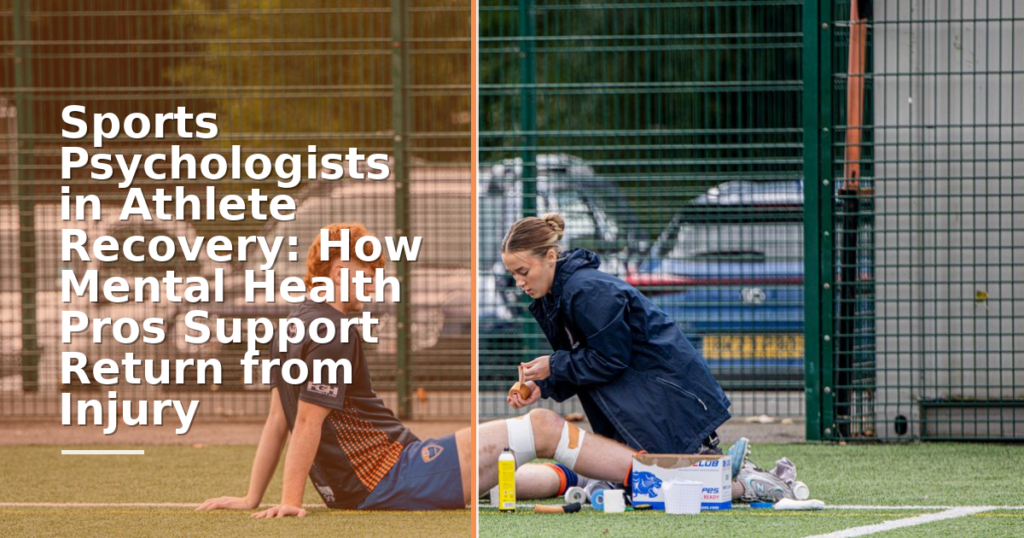
Injury recovery required a different psychological toolkit. Over a structured program of 17 sessions2, injured players learned to reframe pain as a signal for adaptation rather than a stop sign, using goal-setting milestones (e.g., first pain-free jog, then full training) to maintain motivation and adherence to rehab. By shifting focus from what they could not do to what they could still control, players returned with stronger mental resilience.
Position-specific interventions were equally nuanced. Goalkeepers practiced decision-making under simulated chaos, quick imagery scripts that cycled through scenarios like a last-minute corner or a penalty kick. Strikers worked on composure: a three-phase self-talk protocol3 that moved from a calming phrase before the play, to an instructional cue during the action, to a reset phrase after a missed chance. A midfielder-specific training block, condensed into three days3 and tested over nine matches4, improved three key performance subcomponents: pass selection under pressure, defensive positioning, and communication intensity.
Group Strategies: Building Collective Resilience
Turnbull’s group work centered on team cohesion, guided by the 5Cs framework in soccer: commitment, communication, concentration, control, and confidence. Players participated in shared goal-setting workshops where they defined what “Championship-ready” looked like, not in technical terms, but in behavioral ones, how they would respond to conceding a goal, or how long they would stay focused after a lead. Team exercises, such as silent coordination drills, forced players to communicate non-verbally and build trust without relying on vocal leaders. Pre-match mental rehearsal sessions of 5 to 10 minutes, done collectively, reinforced a unified mindset before stepping onto the pitch.
Tying It to the Scottish Championship Title
These strategies were not theoretical; they were put to the test during a season where St Johnstone clinched the title. Manager Simo Valakari’s belief that “the difference is between the ears” permeated every session, and research on the nine mental skills of successful athletes supports the approach: consistent imagery practice (3 to 4 times per week) and structured self-talk interventions have been linked to improved decision-making and emotional regulation in elite athletes. Turnbull’s integration into the celebration photo after the final whistle symbolized that the mental side was no longer an afterthought, it was woven into the fabric of the club’s success.