What UK Sport Psychologists Earn and Where They Work
What can you expect to earn as a newly qualified sport psychologist in the UK? Salaries vary by sector, experience, and registration status, and early-career earnings tend to be modest compared to other psychology disciplines.
According to the Prospects job profile for sport and exercise psychologists, graduate-level roles in the UK typically offer an annual salary range of £20,000 to £23,000. The National Careers Service reports a median around £25,000.2 Jobted notes a mean annual wage of £20,000 in 2025, reflecting a mix of part-time and full-time work.3
These numbers often apply to assistant psychologist positions, performance lifestyle roles, and early coaching support jobs, where the title may not yet carry the “sport psychologist” label.
Once you earn HCPC registration and build a caseload, earnings increase. Private practice hourly rates for sport and exercise psychologists are commonly cited between £70 and £95,4 and with 5-10 years of chartered experience, annual incomes of £35,000 to £45,000 become achievable. Senior psychologists working with elite squads, football academies, or as private consultants may see figures beyond £60,000, especially when combining multiple income streams.
Where Sport Psychologists Work
Employment stretches across several distinct settings, each with its own earnings profile:
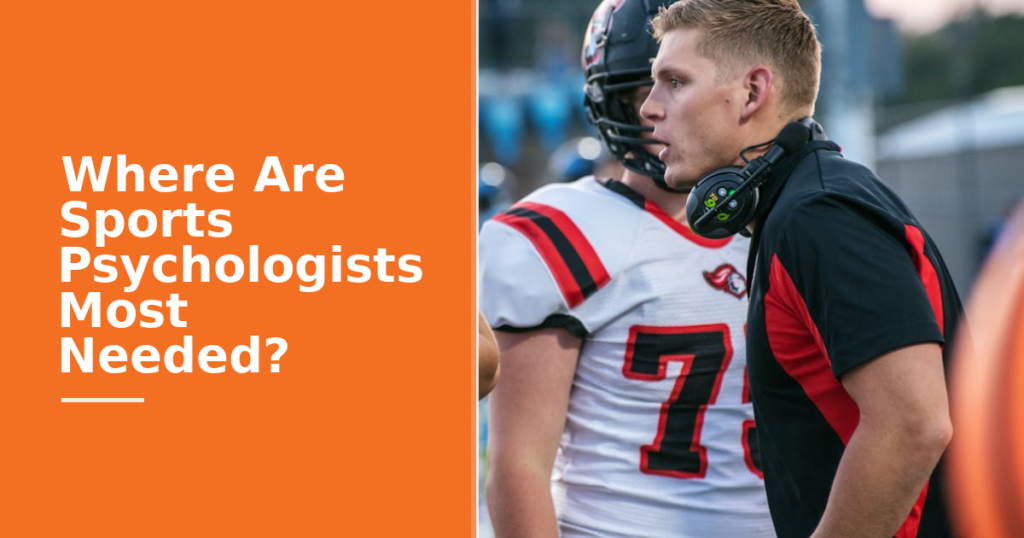
- Professional sports teams and governing bodies: Roles with Premier League clubs, national institutes of sport, or Olympic programmes tend to offer the highest permanent salaries, though competition for these posts is steep.
- NHS and healthcare: HCPC-registered sport psychologists are employed in physical health, pain management, and rehabilitation services. Practitioner psychologist roles follow Agenda for Change pay scales, offering progression as experience grows.
- Private practice: Many practitioners work on a self-employed basis, delivering one-to-one consultations, team workshops, and online coaching. Hourly rates provide flexibility, but income depends on client volume and reputation.
- Higher education and research: Universities hire sport psychologists as lecturers, researchers, or student support staff. Salaries align with academic pay scales and can increase with seniority.
How Sport Psychology Compares to Other Psychology Fields
Sport psychology starting salaries are generally lower than those in clinical or occupational psychology. However, the flexibility of private practice and the opportunity to work in high-performance sport can narrow the gap over a full career. Hourly rates in sport psychology, once established, often equal or exceed those in allied health disciplines.