Practical Interventions: Simulated Training, Social Support, and the Three-Minute Window
Pressure is not a mystery, it can be trained for. Geir Jordet's research translates directly into concrete, evidence-based interventions that any coach or sport psychology practitioner can implement, whether working with a youth side or a World Cup squad. These strategies turn the penalty shootout from a lottery into a controllable performance moment.
The "Vaccine": Simulated Training Under Pressure
Jordet uses a vaccination analogy: just as a vaccine introduces a weakened pathogen to build immunity, simulated penalty training safely exposes players to pressure, building psychological resilience. Effective simulation goes far beyond unopposed kicks at the end of a routine session. It must replicate the sensory and emotional demands of the real event. Key elements include:
- Crowd noise: Pipe in recorded stadium ambience at match volume, including jeers and chants directed at the kicker.
- Fatigue: Stage the simulation immediately after a full-intensity training match, when legs and minds are tired.
- Consequence framing: Attach meaningful stakes, for example, the losing side does extra conditioning, or individual shooters face a video review in front of peers. The goal is to make the outcome feel genuinely significant in the moment.
- Temporal delay: Have players wait in the center circle for several minutes before walking to the spot, mirroring the slow build-up of a real shootout.
These elements trigger the same physiological stress responses, elevated heart rate and narrowed attentional focus, that players will face in competition. Repeated exposure allows them to refine their routines and emotional regulation under conditions that matter, so the real thing feels familiar.
Shared Responsibility: The Social Support Protocol
A penalty kick is not a one-person task. Jordet's work highlights that the kicker's support network on the pitch directly influences success rates. Two specific behaviors make a measurable difference:
- Goalkeeper as emotional anchor: The kicker's own goalkeeper should meet them at the edge of the box, offer a brief word of encouragement or a calm gesture, and help slow the moment down. This reduces the sense of isolation.
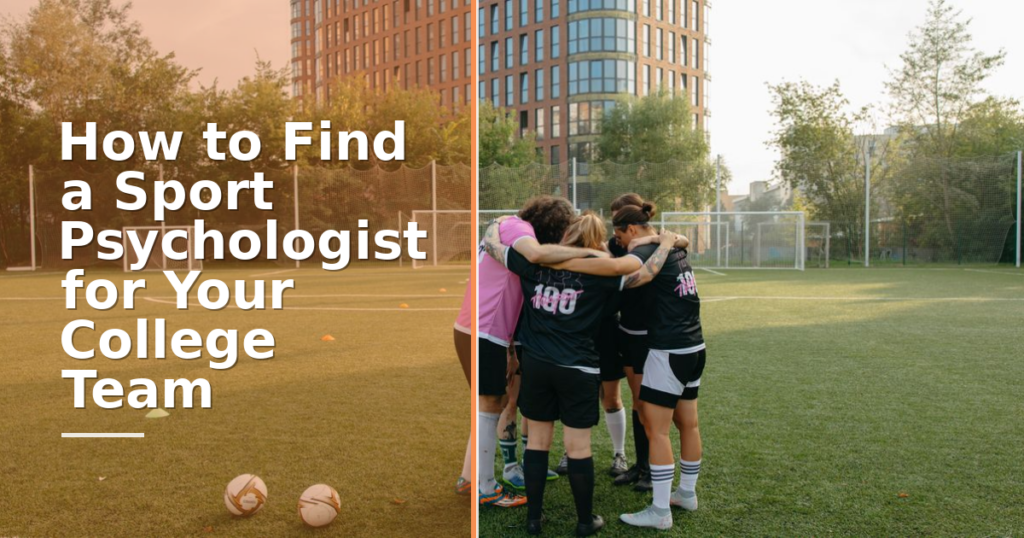
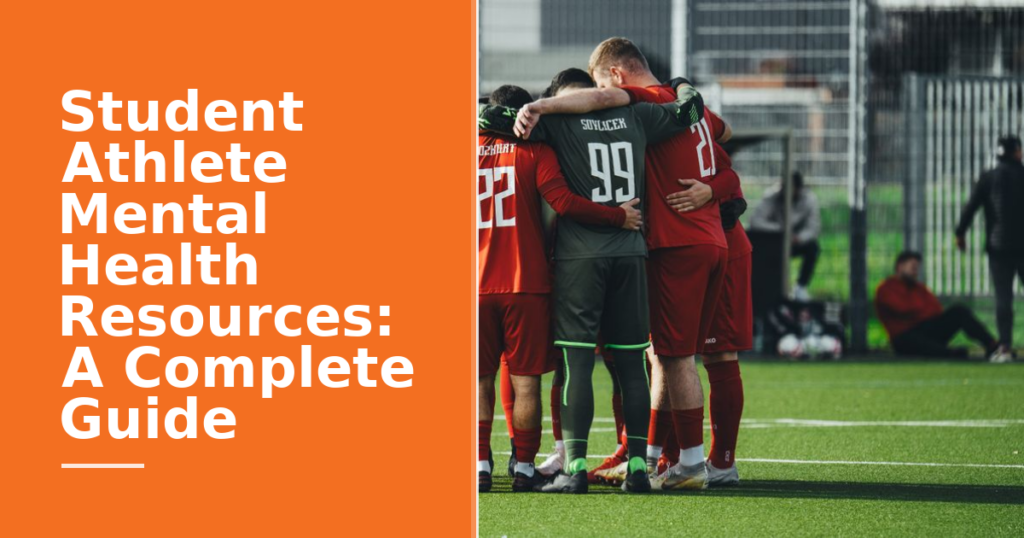
- Teammate walk-back: After every kick, success or miss, teammates should walk out together to retrieve the shooter and return to the center circle as a unit. This visible solidarity buffers against shame and rumination after a miss, and reinforces collective accountability.
These small, trainable actions shift the shootout from an individual test of nerve to a coordinated team performance, reducing the psychological burden on any one player.
The Three-Minute Coaching Window
When extra time ends, the coach has roughly three minutes before the shootout begins, a narrow but critical window. Jordet emphasizes that this is not the time for tactical overloading or impromptu motivational speeches. Instead, the coach should accomplish a few clear objectives:
- Instill unshakeable confidence: Remind players of their preparation and specific successes in pressure simulations. Use a calm, composed tone.
- Set the kicking order strategically: Prioritize players who have rehearsed taking penalties under pressure and who display positive body language in the huddle. Avoid asking a reluctant player to go unless absolutely necessary.
- Frame the moment as an opportunity, not a threat: Reframe the narrative from "don't miss" to "express your skill." A single phrase, "we are ready for this," can anchor the team's mindset.
Crucially, the coach's own nonverbal behavior, including eye contact, posture, and breathing, communicates as loudly as words. Players look to the sideline for cues, so maintaining composure is part of the intervention.
Together, these three pillars, simulated exposure, social support, and focused leadership, form a practical framework that reflects the importance of sports psychology for athletes at every level. Sport psychology students and early-career practitioners can adopt and adapt them immediately, whether working in football or any performance domain where high stakes meet single moments.