Andy Murray called himself a good sports dad who never shouts.
The mother asked whether her six-year-old needed a sports psychologist after losses.
Losing matches alone is not a clinical reason to refer a six-year-old.
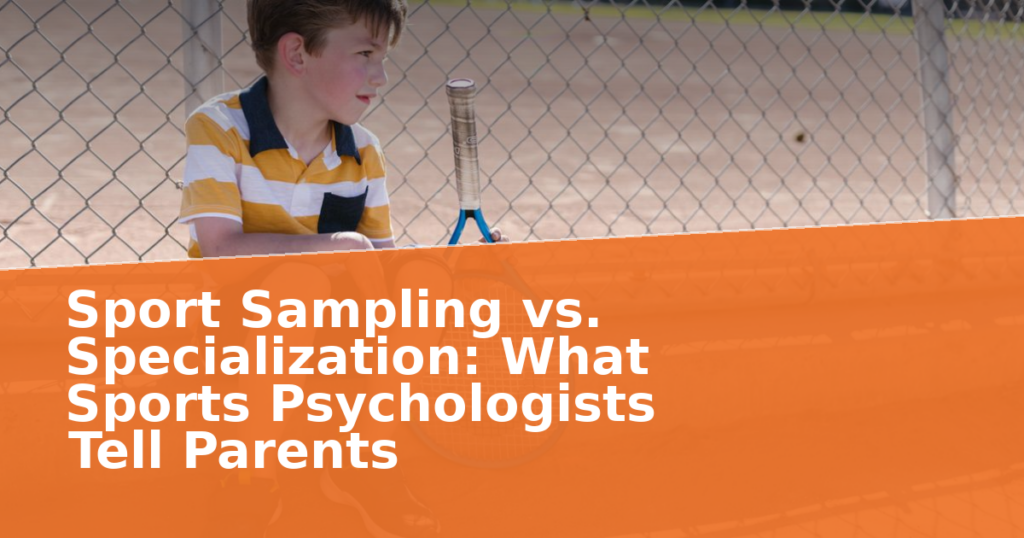
A tennis mother asked Andy Murray in September 2026 whether her six-year-old needed a sports psychologist because a "mental" problem kept him from winning matches. As reported by the Daily Mail1, the comment exposed a common misread: adult performance anxiety dressed up as a child's clinical problem.
Losing at age six is rarely a mental health symptom. It is a developmental fact while children build emotional regulation and coping skills, and it usually responds to calmer adults more than to a professional.
That is the real tension behind the search question: not whether a six-year-old can see a psychologist, but whether winning and losing are the right trigger for referral.
What Andy Murray Said About Pushy Tennis Parents
Did Andy Murray describe himself as a good sports dad, and what did he actually say about the mother who asked if her six-year-old needed a sports psychologist?
According to a September 28, 2026 report, Murray addressed the question on Andy Roddick's "Served" podcast.1 Murray, a father of four and retired 2024 tennis player, said he considers himself a "good sports dad" and is "definitely not" a parent whose parent sideline behavior includes shouting while watching his children compete. He added that he has seen some interesting parenting at some sports.
Murray used a specific interaction to illustrate that point. A tennis mother asked him whether her six-year-old son, who kept losing junior matches, should see a child sports psychologist because she believed a mental problem was preventing him from winning. Murray reportedly responded that he did not know, since he had never seen the child hit a ball, and pointed out that he had used a sports psychologist himself, "but not when he was six."
The exchange is less about Murray than about a bigger question for parents and practitioners: at what point does losing at age six reflect a mental problem, and at what point is it ordinary development? The lesson is that referral decisions deserve age-appropriate thinking rather than panic after early losses.
Is a Six-Year-Old Ready for a Sports Psychologist?
The real question is readiness, not age
A six-year-old can technically meet with a qualified professional, but losing matches is not a clinical reason to refer. Children under about 10 are still building emotional regulation and have limited capacity for abstract self-reflection, so formal adult-style performance coaching usually is not a good fit. Early work tends to be play-based and led by parents or coaches, not a sit-down mental training session. The American Psychological Association describes sport psychology as covering optimal performance and well-being along with developmental and social aspects, but it does not establish a universal minimum age for formal work.
What age-appropriate work looks like
For kids in this range, mental skills can be woven into practice through breathing games, simple pre-shot or pre-serve routines, effort goals, and short conversations about handling mistakes. The American Academy of Pediatrics guidance cited in recent reporting recommends 1 to 2 days away from sport per week, 2 to 3 months off per year, and weekly sport hours no greater than the child's age.1 It also advises avoiding win-loss performance talk and praising effort instead.
The National Federation of State High School Associations recommends sport sampling between ages 6 and 12.2 Early specialization before ages 13 to 15 does not appear to improve future athletic success, and early sport specialization risks include burnout, injury, decreased mood, anxiety, reduced enjoyment, and lower self-esteem.2
When a child needs help
If a young child's distress is persistent, spills into daily life, or shows up as sleep, mood, or avoidance problems, the first stop should be a child-focused clinician such as a pediatrician or child psychologist, not a performance consultant. A sport psychologist can support youth and families, but the referral should be about wellbeing, not fixing a win-loss record.
Normal Youth Sports Nerves vs. Red Flags That Warrant Help
Most youth sport nerves are brief and tied to specific events. Watch for patterns that last weeks, spill into school or friendships, and change sleep, eating, or willingness to play. Any talk of self-harm or hopelessness is urgent and belongs with a doctor or crisis line, not a sports psychologist.
Age Band
Typical Nerves
Red Flags
Suggested First Step
6 to 9
Pre-match butterflies, tears after a loss, or asking to skip one practice when tired.
Refusing to play for weeks, withdrawing from friends, sleep or eating changes, or saying "I'm bad" in a global, self-critical way after small mistakes.
Talk with the child in everyday language and reduce win and loss pressure before seeking a youth sport psychologist.
10 to 13
Nervous stomach before a big game, short-lived frustration after errors, or some worry about disappointing a coach.
Avoiding practice repeatedly, panic-like symptoms before most events, dropping grades, or persistent beliefs that they are worthless without winning.
Meet with a child sport psychologist or school counselor for a screening if symptoms last longer than two to three weeks.
14 to 18
Performance anxiety in high-stakes tryouts, body tension before competition, or brief confidence dips after losses.
Withdrawal from teammates, sustained sleep loss, self-critical or hopeless talk, or using sport as proof of self-worth.
A youth-focused sport psychologist for performance issues; refer to a licensed mental health therapist if mood, eating, or self-harm concerns appear.
When Pushy-Parent Dynamics Look Like a 'Mental Problem'
Youth sport is shifting toward a more careful read of how sideline and car-ride dynamics shape a child's performance, not just how the child copes alone. Andy Murray's podcast anecdote about a mother asking whether her six-year-old should see a sports psychologist after losing matches captures that shift. In the retelling, the issue was not an obvious mental health crisis; it was a young child who had not won, filtered through an adult's expectation.
How outcome pressure can masquerade as a child's problem
Outcome-focused feedback, repeated sideline instruction, and a visible fear of disappointing a parent can narrow a young athlete's attention to mistakes and results. The child may then show sport-related anxiety: freeze, rush, cry, or avoid matches. To an adult watching only the final score, that response can read as a mental weakness inside the child. Often it is an understandable reaction to a climate that equates approval with results. In youth sports psychology, research on motivational climates links outcome-emphasizing environments to controlled motivation, anxiety, and burnout1, but the evidence is mainly correlational and does not isolate parental pressure as a single cause of any child's distress.2 A 2026 review of motivational climate found broad associations with emotion and engagement, yet it did not establish that parent-driven pressure directly creates a clinical mental problem in a six-year-old.1
Warning signs in parent behavior
Sideline coaching: Instructions that conflict with the coach or continue after the child has stopped listening.
Post-match critique: Replaying errors in the car or at dinner before the child has had time to recover.
Approval tied to results: Praise that appears after wins and disappears after losses.
Fear of disappointing: A child who apologizes for losing or looks to a parent before reacting.
Where pressure crosses into emotional harm, the line is clearer. Shaming, intimidation, threats, humiliation, or punishment for a loss are not performance cues; they are harmful and call for a different response.
Ask this before the referral
Before booking a sport psychology visit for a six-year-old, a parent can ask a more direct question: Is the pressure coming from us? If a child hears about results on the way home, sees a parent's face change after a loss, or believes approval depends on the scoreboard, the first intervention is often to change the adult climate, not label the child. That does not mean a six-year-old never needs support; it means the starting frame should match the concern Murray highlighted when he cited a tennis mother asking about her six-year-old.
What to Try First: Talking With a 6-12 Year Old About the Mental Side of Sport
Emotional misconduct is the most common form of abuse young athletes face in youth sport, according to U.S. Equestrian Federation guidance.1 Before a parent or coach treats a six-year-old's losing streak as a mental health problem, remember the limitations of sports psychology and start with age-appropriate conversations that protect the child from adult pressure.
Let the child lead after competition
Wait at least 20 to 30 minutes after a match before any analysis. Let the child speak first, and resist the urge to fix the result. If they bring up the loss, try: "That was a tough one. I enjoyed watching you. What felt good to you?" After a win: "I enjoyed watching you find your rhythm today. What are you proud of?" After a poor performance: "It didn't go your way, and that's okay. I enjoyed watching you, even on a hard day. What would you like to try next time?" Keep the focus on effort, learning, and being there, not on winning or fixing mistakes.
What coaches can do before problems escalate
Start with a private, non-judgmental word with the parent away from the child. Keep all communication with under-18s in group channels that include a parent or carer, and avoid private direct messages to minors.4 Share a team parent code of conduct before the season starts, setting clear expectations for sideline language and feedback3, a foundational habit in sports psychology for coaches. If concerns continue, document dates, quotes, and any messages, posts, emails, or video. Preserving evidence helps identify patterns, as SafeSport guidance notes.5
When a parent shames or intimidates a child
Act immediately. Use SafeSport's response framework: distract to interrupt the behavior, delegate another responsible adult to stay with the child, document what you saw, and delay any urge to investigate or determine guilt yourself.2 Do not promise confidentiality; explain that the concern must be shared.5 Listen without leading questions and reassure the child. Report through the sport's safeguarding route to the club welfare officer or safeguarding lead.4 NSPCC's Child Protection in Sport Unit and the LTA both direct coaches to report disclosures immediately.4 Coaches have a mandatory duty to report known or suspected abuse.6 If a child is at immediate risk, contact police or emergency services and your safeguarding lead right away.4
Sports Psychologist vs. Therapist vs. Mental Performance Coach
The right first step depends on the concern. In the US, a licensed clinical or counseling psychologist can provide mental health care, while a Certified Mental Performance Consultant (CMPC) works on performance skills and is not a mental health provider; in the UK, look for an HCPC-registered practitioner psychologist with sport and exercise competence, and remember that the sports psychologist title is regulated differently by region, so a title alone does not guarantee clinical training. When anxiety, depression, trauma or eating concerns are present, start with a licensed clinician; focus, routines and confidence work can often begin with a performance consultant.
Aspect
Licensed Clinical / Sport Psychologist
Mental Performance Consultant (CMPC)
Licensed Counselor / Therapist
Typical credentials and regulation
US licensed psychologist with doctoral training and state license; UK HCPC-registered practitioner psychologist under a protected title.
Master's or doctoral degree in sport science or psychology plus specified coursework, mentored applied experience, and CMPC certification; not a mental health license.
Master's degree and roughly 3,000 to 4,000 supervised hours; NCE, NCMHCE, or both depending on state. State licensure, not a sport-specific credential.
Scope with young athletes
May treat clinical conditions and performance concerns within demonstrated competence; in the UK, work with minors only within knowledge, skills, and experience.
May work with youth sport participants, including high-school athletes, on mental, life, and self-regulatory skills for performance, enjoyment, or personal development when clinical concerns are absent or handled by a licensed provider.
State licensure permits counseling within education, supervised experience, competence, and state scope; no sport- or minors-specific scope is specified here.
Best first stop when
Anxiety, depression, trauma, eating concerns, or other clinical distress are present.
Focus, motivation, confidence, concentration, imagery, self-talk, goal-setting, or performance routines need work without clinical concerns.
Mental health counseling is needed within the counselor's licensure, competence, and referral requirements.
How to Find a Youth-Focused Sports Psychologist
A youth-focused sports psychologist is someone trained to work with children and teens, not just high-performing adults. The right provider will ask about the child's wellbeing before talking about rankings or match results.
What to ask before booking
Child and teen experience: Ask how much of their caseload is under 18 and what age groups they typically see, a core step in any sports psychologist vetting guide.
Clinical training and safeguards: Ask about licensure, background checks, and safeguarding or child protection training.
Parent and coach involvement: Ask how they work with parents and coaches, and how often you will receive updates.
What a first appointment usually includes
A first visit often begins with an intake that includes a parent or guardian, then time with the child alone or with the parent depending on age. The provider should help the family set goals that are not just about winning but also reflect the benefits of sports psychology for athletes. Session counts and timelines vary, so confirm whether the provider suggests a short evaluation block or open-ended work at the start.
Consent, confidentiality and cost
A parent or guardian generally provides consent for minors, and the young athlete gives assent when able. Confidentiality in sport psychology should be explained up front, including what will and will not be shared with parents. Limits include safety concerns such as risk of harm or suspected abuse. Costs vary widely: private youth sport psychology sessions often range from $100 to $250 or more per hour, with online visits often $80 to $150 and in-person visits often $150 to $250 or more. Child and adolescent therapy in community clinics can be much lower, often $10 to $80 per session, and university training clinics may charge $20 to $70. Parent consultations may happen every 3 to 6 sessions and can add 15 to 25 percent to the total cost. Telehealth, school referrals, and club referrals can improve access.
Red flags to avoid
Guaranteed results: No ethical practitioner promises championship outcomes.
Wins-first pitch: If the provider focuses on fixing losing rather than the child's wellbeing, look elsewhere.
No wellbeing questions: A first contact should ask about sleep, mood, enjoyment, pressure, and relationships, not just performance statistics.
What This Case Teaches Aspiring Sport Psychology Practitioners
One path treats a six-year-old's losses as a mental problem to fix; the other treats the parent's concern as the first clinical data point. Murray's story is a referral-boundaries case study. Aspiring practitioners should screen for developmental readiness and apply the Clinical vs. Performance Sports Psychology distinction when separating performance concerns from clinical ones. A six-year-old losing matches is usually age-typical, not a diagnosis. The ethical move is to educate the parent rather than accept a "mental" label. That screening includes checking whether the child wants to play, how adults behave on the sidelines, and whether distress shows up outside sport.
Ethical role
When adult pressure is the real issue, redirect to child welfare or clinical colleagues. The practitioner's job is not to coach winning at six. Ask first about enjoyment, autonomy, sleep, and fear. If a child is distressed by a parent's expectations, that is a family or clinical concern, not a mental performance issue.
Training pathway
Entry typically requires a graduate degree in sport psychology or a related field, then supervised hours leading to licensure or certification. Compare the How to Become a Sports Psychologist guide and degree pages to map coursework and fieldwork expectations. Degree type, state licensure, and supervised applied hours all shape scope.
Pay context
Recent BLS data from 2025 puts the national median annual wage for clinical and counseling psychologists at about $100,580, while psychologists overall earn about $99,110 and "all other" psychologists about $110,840. These figures cover the occupations broadly, not Sport Psychology Jobs specifically, and vary by setting and region.