The Complete Guide to Performance Psychology Coaching Careers and Certifications

Discover which credentials matter, how to gain experience, and where performance coaching jobs are growing.

By Alexis MeyersReviewed by SportsPsychology.org TeamUpdated July 2, 202625+ min read
How to Become a Performance Psychology Coach | Certification Guide

What you’ll learn in this article…

  • The CMPC credential demands 400 mentored hours and an exam, making it the field's most respected certification.
  • Performance coaches build mental skills like focus and confidence, while clinical psychologists treat diagnosed conditions.
  • Demand for mental performance coaching grew 19% from 2024 to 2025, spanning sports, military, and corporate settings.
  • Alternative certifications offer faster, non-degree paths for coaches who skip the full CMPC route.

What does a performance psychology coach actually do, and how does the role differ from licensed sport psychologists? These professionals apply evidence-based mental skills training to help athletes, artists, and business leaders perform at their peak. Unlike clinical practitioners, performance coaches do not diagnose or treat mental health disorders; they focus on building psychological strengths like focus, confidence, and resilience in mentally healthy performers.

The Certified Mental Performance Consultant (CMPC) credential, granted by the Association for Applied Sport Psychology, is the field’s most recognized qualification. Its community grew 19% between 2024 and 2025, signaling accelerating employer demand across sports, military, and corporate settings.

For aspiring coaches, choosing the right certification and understanding salary realities in a sports psychology career early on shapes long-term viability.

Performance Psychology Vs. Clinical Sport Psychology: Where’s the Line?

The boundary between building mental skills and treating mental health conditions is the defining tension of this profession. Performance coaches and clinical sport psychologists, two distinct branches of sports psychology, operate in overlapping spaces, but their roles, training, and legal scopes of practice are fundamentally different.

The Core Distinction: Enhancement vs. Treatment

Performance psychology coaching focuses on optimizing mental skills in healthy individuals. Coaches work with athletes, executives, and performers to sharpen focus, manage arousal, build confidence, and cultivate resilience. The goal is enhancing already functional human performance, not healing pathology.

Clinical sport psychologists are licensed mental health professionals who diagnose and treat psychological disorders such as depression, anxiety disorders, eating disorders, and trauma. Their work often involves psychotherapy, crisis intervention, and clinical assessment. While they may incorporate performance enhancement techniques, their primary lens is clinical care.

Legal Boundaries and Scope of Practice

Certified mental performance consultants (CMPCs) are not licensed psychologists. They cannot provide therapy, diagnose conditions, or use protected titles like "psychologist" or "therapist" unless they separately hold state licensure. A CMPC who crosses into clinical territory without a license exposes themselves to legal liability and ethical violations.

The line is not always bright. An athlete struggling with pre-competition anxiety may benefit from a CMPC's relaxation and refocusing strategies. But if that anxiety stems from an underlying trauma or generalizes into panic attacks, the CMPC must recognize the limits of their competence and refer to a licensed clinician.

The AASP Ethical Code as Guardrails

The Association for Applied Sport Psychology (AASP) explicitly states that CMPCs work with "clients who are healthy and whose performance may be enhanced." The ethical code requires consultants to practice within their boundaries of competence and to refer when issues exceed those boundaries. Similar standards apply to other sports psychology certifications, such as the MPM and MGCP.

Real-World Scenarios That Clarify the Difference

Practical examples often involve unconventional sports psychology techniques that clearly demarcate performance coaching from clinical intervention.

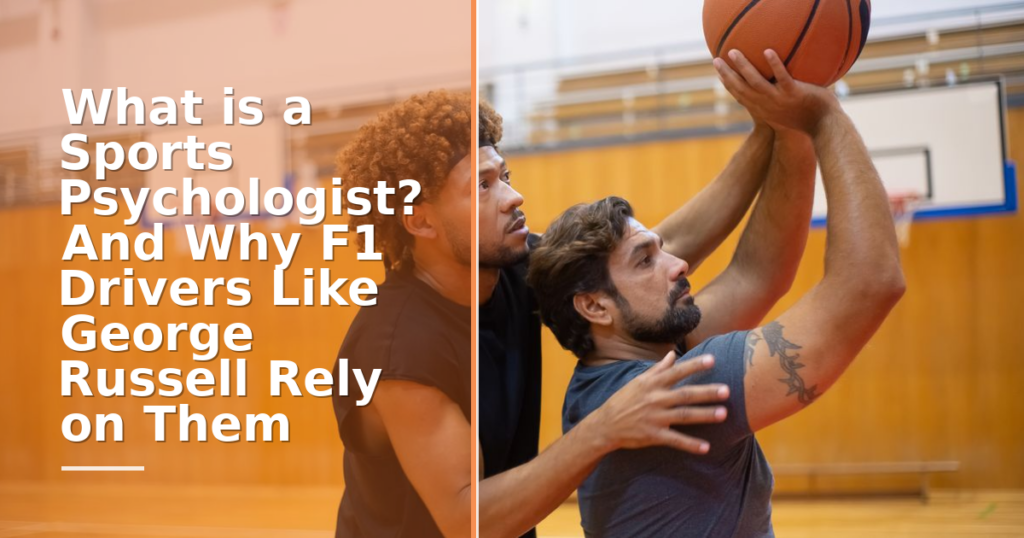
  • Scenario 1: A Division I basketball player struggles with free-throw shooting under pressure. The player is otherwise thriving and has no mental health concerns. A CMPC designs a pre-shot routine, uses imagery training, and teaches breathing techniques. This falls squarely in performance coaching.
  • Scenario 2: A collegiate runner exhibits dramatic weight loss, social withdrawal, and expresses intense fear of gaining weight. The runner may have an eating disorder. A CMPC should not attempt to "coach" the athlete out of this. Immediate referral to a licensed psychologist and medical team is required.
  • Scenario 3: A business executive reports constant fatigue, helplessness, and loss of interest in work. These could be signs of clinical depression. A mental performance coach should ask screening questions, express concern, and facilitate a warm handoff to a qualified mental health provider.

In each case, the CMPC's effectiveness depends on knowing when to step back. Recognizing the red flags protects the client and upholds the integrity of the profession.

Core Mental Skills and Coaching Techniques

Mental skills training forms the bedrock of performance psychology coaching, equipping athletes with tools to manage pressure, sharpen focus, and sustain confidence. Coaches integrate evidence-based techniques drawn from decades of research in sport and performance psychology, and these mental training methods align closely with the performance enhancement and social dynamics domains covered in CMPC certification.

Goal Setting and Self-Talk

Effective goal setting moves athletes from vague aspirations to measurable progress. Coaches guide clients to create specific, challenging yet attainable objectives, often using frameworks like SMART goals. For example, a basketball player might set a weekly free-throw accuracy target with progress tracked in practice. Self-talk complements goal pursuit by reshaping internal dialogue. A coach teaches athletes to replace phrases like "I always choke under pressure" with instructional cues such as "stay smooth, follow through." Regular self-talk scripts are practiced during training and reviewed in sessions.

Imagery and Confidence Building

Imagery, or visualization, involves creating vivid mental rehearsals of successful performance. A swimmer might mentally rehearse a perfect start, turn, and finish, engaging all senses. Coaches guide clients to practice imagery both before competition and during downtime to build automaticity. Confidence building is woven throughout these techniques. Coaches help athletes identify and recall peak-performance moments, and they design "confidence resumes" listing personal strengths and past successes. These exercises restructure negative beliefs and cultivate a stable sense of self-efficacy.

Arousal Regulation and Concentration

Arousal regulation helps athletes find their optimal energy zone. Too much activation leads to anxiety; too little leads to flat performance. Coaches teach breathing techniques, progressive muscle relaxation, and pre-performance routines tailored to the individual. A tennis player might use a rhythmic breathing pattern between points to stay calm. Concentration techniques, including cue words, attentional narrowing, and refocusing plans, are practiced to reduce distractions. Coaches simulate game-day environments during training so that athletes can apply these skills under pressure.

Each of these techniques is grounded in robust research linking mental skills training to improved performance outcomes, underscoring the importance of sports psychologythe importance of sports psychology across sports, business, and the performing arts. The CMPC certification requires mastery of these tools, ensuring coaches are prepared to design individualized mental training programs that address the psychological demands of any performance context.

CMPC Certification: The Gold Standard for Mental Performance Consultants

The Certified Mental Performance Consultant (CMPC) credential stands as the most widely recognized and respected certification for mental performance professionals in North America.

Eligibility at a Glance

The path to CMPC certification is rigorous by design, ensuring that those who earn it have the training and competence to work ethically with athletes, teams, and performers. To qualify, you must satisfy three main requirements:

  • Degree: A master's or doctoral degree in sport psychology or a closely related field. Degrees in business, education, sport management, medicine, occupational therapy, or sociology are not accepted.1
  • Coursework: Graduate coursework covering the foundational domains of applied sport psychology, including performance enhancement, social dynamics, psychopathology, and professional ethics. All prerequisite courses must be completed with a grade of C or better.2
  • Mentored experience: A total of 400 hours of supervised practice, with specific breakdowns outlined below.

The Mentored Experience Requirement

The 400 hours3 are not simply logged. These hours must be completed under a mentor approved by the AASP Certification Council, and they include three distinct components:

  • Direct client contact: 200 hours of face-to-face mental performance work with individuals or groups.3
  • Support activities: 150 hours spent on preparation, case notes, observation, and related tasks.3
  • Mentorship time: 50 hours of one-on-one meetings with your approved mentor to review cases, discuss ethical dilemmas, and refine your applied skills.3

Additionally, candidates must document at least 100 hours of personal involvement in competitive sport as an athlete, coach, or equivalent role.3 This ensures that every CMPC brings lived experience to their practice.

The CMPC Exam and Application Process

Once eligibility is met, candidates submit an application through the Certemy portal. You will need to upload official transcripts and fully documented mentorship logs. The application fee is $375 for professional members of AASP and $300 for student members.1 Approved candidates then sit for the CMPC certification exam, a comprehensive assessment that covers mental skills training, group dynamics, ethics, and intervention strategies. The exam is designed to confirm that you can translate academic knowledge into real-world practice.

A critical credibility marker: the CMPC program earned reaccreditation from the National Commission for Certifying Agencies (NCCA), effective July 1, 20262. This third-party recognition signals that the credential meets the highest standards in professional certification.

Why the CMPC Matters

Beyond the personal achievement, the CMPC certification carries practical weight. Many NCAA athletic departments, professional teams, and military programs explicitly require or prefer it. It also helps practitioners obtain professional liability insurance, a non-negotiable safeguard when working with clients. Graduates of accredited master's and doctoral programs that align CMPC coursework domains often transition directly into certification, but the supervised mentorship hours remain the foundation of authentic competence. The CMPC is more than a set of letters after your name; it is the clearest signal to employers and clients that you meet the field's highest professional standards.

Questions to Ask Yourself

Are you willing to pursue a master’s or doctoral degree?
The CMPC requires a graduate degree in sport psychology or a closely related field. This represents a significant investment of time and tuition, so consider if advanced study aligns with your career goals.
Can you commit to 400 or more supervised hours?
Certification demands hands on mentoring that takes months to complete. Balancing this with work or family obligations requires careful planning, but the supervised practice builds essential coaching competence.
Do you want to focus on performance enhancement without clinical work?
If diagnosing or treating mental health disorders does not interest you, the CMPC path dedicates your career entirely to mental skills, confidence, and peak performance in healthy populations.

Alternative Performance Coaching Certifications: MPM, MGCP, and More

While the CMPC remains the most widely recognized credential in performance psychology, several non-academic certification options exist for coaches who want to add mental skills training to their practice without pursuing a graduate degree or the full CMPC pathway. These alternatives vary in cost, prerequisites, and professional recognition, and they are not equivalent to the CMPC or to more established sport psychology certification pathways. They may not meet the requirements of NCAA athletic departments, professional sport organizations, or insurance panels that specifically seek CMPC-certified practitioners.

Mental Performance Mastery (MPM)

Issued by Brian Cain and the Mental Performance Institute, the MPM certification is an online, self-paced program designed for coaches, athletes, and business professionals.

  • Cost: $9971
  • Prerequisites: None2
  • Format: Fully online2
  • Accreditation: Not accredited by NCCA or recognized by AASP2

The MPM focuses heavily on Cain's personal methodology and practical mental conditioning tools. It can be a quick entry point for high school or club coaches who want a foundational framework but is generally not accepted for roles within college athletic departments or professional teams that require board-certified staff.

Mental Game Coaching Professional (MGCP)

Offered by Peak Performance Sports, the MGCP credential requires either an advanced degree or at least five years of coaching experience, making it slightly more selective than the MPM.

  • Cost: $3,6003
  • Prerequisites: Advanced degree or 5+ years of coaching experience3
  • Format: Online3
  • Accreditation: Not accredited by NCCA or recognized by AASP3

The MGCP coursework emphasizes applied mental game strategies and coach-client communication. Some private coaches use it to complement a broader consulting practice, but like the MPM, it does not carry the same institutional recognition as the CMPC.

NASM Performance Enhancement Specialist (NASM-PES)

The National Academy of Sports Medicine offers the PES as a continuing education credential for fitness and sports performance professionals. While not a mental performance certification in the strict sense, it includes sport psychology modules that overlap with mental skills training.

  • Cost: $639.244
  • Prerequisites: None4
  • Format: Online4
  • Accreditation: Not accredited by NCCA or recognized by AASP4

The NASM-PES is best suited for personal trainers or strength and conditioning coaches who want to integrate basic psychological strategies into physical training sessions. It is not designed as a stand-alone mental performance coach certification.

Other Options: NESTA Sport Psychology Coach

The National Exercise and Sports Trainers Association (NESTA) also offers a Sport Psychology Coach certification. Details on cost, prerequisites, and accreditation are not publicly standardized, so interested individuals should contact NESTA directly for the latest information. Like the other non-academic options, it is not NCCA-accredited.

Choosing the Right Credential for Your Career Stage

If your goal is to work within university athletic departments, professional sport organizations, or the U.S. Olympic and Paralympic Committee network, the CMPC is the expected credential. Alternative certifications may be useful for:

  • Youth and high school coaches who want to bring mental skills into their team culture without pursuing a graduate degree.
  • Private performance coaches whose client base does not require board certification.
  • Strength and conditioning professionals adding a psychological layer to existing work.

Always verify employer recognition before investing time and money. These credentials can open doors in private coaching or grassroots sport settings, but they do not substitute for the educational and supervised experience requirements of the CMPC.

Accreditation and Recognition: Which Credentials Are Professionally Respected?

400 hours of mentored experience and a rigorous certification exam: that's the threshold for earning the CMPC certification from AASP, the most widely recognized credential6 in performance psychology coaching. But recognition depends on more than just effort. Accreditation by an independent body confirms that a certification meets rigorous standards for exam development, ethical practice, and ongoing competence. Here's how key credentials stack up and what that means for your career.

Why Accreditation Matters

In the world of professional certifications, third-party accreditation tells employers, athletes, and insurers that a credential is not just a marketing label. The National Commission for Certifying Agencies (NCCA) is one of the most respected accrediting bodies in the United States, known for its evaluation of certification programs against industry benchmarks. When you hold an NCCA-accredited certification, you carry proof that your training and assessment have been independently vetted.

Without accreditation, a credential may still offer valuable knowledge, but it often lacks the same institutional trust and is less likely to be required in job postings or accepted by professional liability insurers.

Which Credentials Carry NCCA Recognition?

Not all performance coaching certifications are created equal. The clear leader is the CMPC, issued by the Association for Applied Sport Psychology (AASP), the largest sport psychology organization, and accredited by the NCCA. To earn it, you must complete a master's or doctoral degree in sport science or a related field, log 400 hours of supervised experience (including 200 hours of direct client contact), and pass a comprehensive exam. This combination of academic rigor, hands-on practice, and accredited assessment makes the CMPC the gold standard in North America.

The International Sports Sciences Association (ISSA) Performance Enhancement Specialist (PES) credential is also NCCA-accredited2, but its focus is broader fitness and performance enhancement rather than mental skills training exclusively. In contrast, the Mental Performance Mastery (MPM) Certification2, the Mental Game Coaching Professional (MGCP) Certification3, and the Elite High Performance Mental Performance Coach Certification4 are not NCCA-accredited. While they may provide useful techniques, they do not currently carry the same level of external validation.

The International Olympic Committee (IOC) offers postgraduate diploma programs in sports medicine and sport nutrition, but these are academic programs, not NCCA-style professional certifications5. They can enhance expertise but are not replacements for an accredited mental performance credential.

International Portability: How Far Does Your Credential Travel?

The CMPC is highly respected worldwide6, but its formal partnership structure ensures strong recognition mainly in the United States and Canada through collaboration with the Canadian Sport Psychology Association (CSPA-ACPS). Outside North America, the path to recognized practice often shifts.

In the United Kingdom, sport and exercise psychologists typically seek accreditation through the British Association of Sport and Exercise Sciences (BASES) or registration with the Health and Care Professions Council (HCPC) for clinical titles. In Australia, the route often involves Sport Scientist (SSC) accreditation through Exercise and Sports Science Australia (ESSA) or registration with the Psychology Board of Australia if clinical work is involved. Many countries do not have a regulatory framework for mental performance coaching specifically, so international practitioners may need to demonstrate a combination of CMPC-level training and local standards to practice ethically and securely.

Checking Employer and Insurance Requirements

Because the field is unregulated at the national level in most places, it's up to you to verify what credentials your target employers, athletes, or sport organizations recognize. Before investing in any certification, contact potential employers or colleagues in your niche and ask what credential they look for. Similarly, professional liability insurance providers often require an accredited certification to offer coverage. The CMPC's NCCA accreditation typically satisfies these requirements; non-accredited programs may leave you unprotected.

Plan your certification path not just around what interests you, but around what the market values and what keeps you legally safe to practice.
The Certified Mental Performance Consultant (CMPC) community grew 19 percent between 2024 and 2025. That single-year jump signals rising employer demand for mental performance coaching, not just in athletics but also in corporate wellness programs. As more professionals seek CMPC certification, the field is rapidly evolving into a recognized and respected career path.

Career Paths for Performance Psychology Coaches

The landscape for careers in sports psychology spans collegiate athletics, professional sports, military, corporate, and performing arts settings. While the field continues to evolve, recent job postings and hiring patterns reveal clear pathways for those with the right training and credentials.

Employment Settings Across Sectors

Opportunities extend well beyond the traditional locker room, showcasing where where sports psychologists work across diverse sectors. Collegiate athletic departments increasingly blend mental health and performance roles, as seen in the 2025 posting for an Athletics Mental Health and Performance Counselor at New Mexico State Athletics1. Professional sports organizations, including teams and venue operators like AEG4, regularly seek Mental Performance Coaches or Consultants to support elite athletes. The military has also embraced this expertise: the Canadian Special Operations Forces Command (CANSOFCOM) recently hired Mental Performance Coaches2, requiring a master's degree in sport psychology or a related field and membership in the Canadian Sport Psychology Association. Olympic training centers and national governing bodies often contract performance consultants, while performing arts institutions hire professionals to address performance anxiety and enhance focus. Private practice offers still another avenue, with platforms like Athletes Untapped listing opportunities for Private Mental Performance Coaches who serve clients independently3.

Typical Job Titles and Responsibilities

Job titles reflect the breadth and specialization within the field. Common labels include Mental Performance Consultant, Director of Performance Psychology, Peak Performance Coach, and Mental Performance Coach. Responsibilities typically involve one-on-one mental skills training, group workshops on topics like goal setting and visualization, performance assessment, and coordination with athletic trainers and sport coaches. Work environments vary widely: some positions are embedded within teams and require travel, while others are office-based or conducted virtually.

The Rise of Part-Time and Contract Work

Many roles in performance psychology coaching are structured as part-time or contract positions. IMG Academy, for example, advertised a Part-Time Mental Performance Coach role in 20255. Private consultants often work on a per-session or retainer basis, which offers flexibility but demands entrepreneurial skills such as client acquisition and billing. Full-time, salaried positions do exist, particularly in large university athletic departments or professional franchises, but they remain competitive. Aspiring coaches should be prepared for a career that may blend multiple roles, such as combining a part-time collegiate position with private clients.

The Growing Corporate Crossover

sports psychology in corporate wellness is making inroads in the business world, as companies hire Learning and Performance Consultants6 to apply sport psychology principles to executive leadership, high-stakes presentations, and team dynamics. While such roles may not require sport-specific certifications, they value expertise in mental skills, resilience training, and performance optimization. This trend opens a new, less traditional career path for coaches looking to diversify their practice beyond sports.

Salary and Job Outlook for Performance Psychology Professionals

National data for performance psychology roles is typically captured within broader occupational categories. The following figures from the Bureau of Labor Statistics provide a general salary benchmark for psychologists and coaches, though actual earnings in mental performance coaching can vary significantly by sector, credential, and geography.

OccupationMedian Annual WageTotal Employment (2024)Projected Growth (2024-2034)
Psychologists, All Other$117,58017,7904.3%
Coaches and Scouts$45,920250,940N/A

Mental Performance Coach Salary by State

Actual salaries for mental performance coaches vary widely depending on whether the role aligns more with psychology or with athletic coaching. The table below shows state-level median annual wages and total employment from the Bureau of Labor Statistics for two relevant occupational categories: Psychologists, All Other (which can include sport and performance psychologists) and Coaches and Scouts (which covers many athletic coaching positions). States with the highest compensation for psychologists often top $130,000, while the highest-paying coaching roles are typically in the $60,000 range.

StateOccupationMedian Annual SalaryTotal Employment
CaliforniaPsychologists, All Other$147,6501,780
OklahomaPsychologists, All Other$147,0100
NevadaPsychologists, All Other$144,390100
NebraskaPsychologists, All Other$137,99050
North CarolinaPsychologists, All Other$137,130480
South CarolinaPsychologists, All Other$135,950140
TennesseePsychologists, All Other$135,570240
AlabamaPsychologists, All Other$134,370100
KansasPsychologists, All Other$133,540110
ConnecticutPsychologists, All Other$132,040170
OhioPsychologists, All Other$131,310380
South DakotaPsychologists, All Other$128,56030
MassachusettsPsychologists, All Other$128,180510
ArizonaPsychologists, All Other$128,040270
MissouriPsychologists, All Other$127,230250
PennsylvaniaPsychologists, All Other$126,460520
UtahPsychologists, All Other$90,2700
OregonPsychologists, All Other$82,960630
TexasPsychologists, All Other$81,8302,160
IllinoisPsychologists, All Other$81,270960
MichiganPsychologists, All Other$78,670330
VermontPsychologists, All Other$76,490100
New HampshirePsychologists, All Other$75,99080
MainePsychologists, All Other$63,490270
West VirginiaPsychologists, All Other$41,900240
WyomingCoaches and Scouts$60,640390
New JerseyCoaches and Scouts$60,3505,950
District of ColumbiaCoaches and Scouts$59,740650
MarylandCoaches and Scouts$59,4703,530
ConnecticutCoaches and Scouts$53,2504,030
LouisianaCoaches and Scouts$52,2602,310
VermontCoaches and Scouts$50,440780
West VirginiaCoaches and Scouts$50,230880
New YorkCoaches and Scouts$50,22011,150
New HampshireCoaches and Scouts$50,120780
NebraskaCoaches and Scouts$49,4801,410
MaineCoaches and Scouts$49,1401,230
Rhode IslandCoaches and Scouts$49,1301,000
OregonCoaches and Scouts$48,8403,490
HawaiiCoaches and Scouts$48,630660
MassachusettsCoaches and Scouts$48,2507,670
NevadaCoaches and Scouts$47,9502,580
PennsylvaniaCoaches and Scouts$47,5207,600
ColoradoCoaches and Scouts$47,4703,480
ArizonaCoaches and Scouts$47,4604,140
WashingtonCoaches and Scouts$47,34011,180
MinnesotaCoaches and Scouts$47,1503,760
MississippiCoaches and Scouts$47,1201,520
IdahoCoaches and Scouts$46,890990
South CarolinaCoaches and Scouts$46,7602,500

How to Become a Mental Performance Coach: Step-By-Step

The path to becoming a mental performance coach involves a classic tradeoff: you can pursue shorter, affordable certifications that get you working sooner, or invest in the CMPC, a rigorous, NCCA-accredited credential that opens doors at universities and pro teams. This step-by-step guide maps out the CMPC route, reflecting the journey of how to become a sports psychologist, and remains the most widely respected option for serious practitioners.

Step 1: Earn Your Bachelor’s Degree

A bachelor’s is your starting point. While no specific major is mandated, most aspiring coaches choose psychology, kinesiology, or sport science to build a foundation in human behavior and movement. This four-year degree primes you for graduate-level training and gives you early exposure to the field.

Step 2: Complete a Master’s or Doctoral Program

The CMPC requires at least a master’s degree in sport psychology or a closely related field such as counseling or performance psychology. Programs typically take two to three years and blend sports psychology program coursework in mental skills training, ethics, and applied practice. Some doctoral programs embed mentorship hours, which can streamline your timeline. When researching schools, prioritize those that offer formal mentorship opportunities or have faculty on the AASP Registry of Approved Mentors.

Step 3: Accumulate Supervised Mentored Hours

This is the most intensive phase. You need 400 mentored experience hours,1 broken down into:

  • Direct client contact: 200 hours (with at least 100 hours in a sport context)
  • Support activities: 150 hours (e.g., observation, preparation, consultation)
  • Mentorship contact: 40 hours (including 20 individual and 10 direct knowledge hours)

All hours must be supervised by a mentor listed on the AASP Registry.2 Finding the right mentor can be a bottleneck: approved mentors often have waitlists, and the process typically costs around $125 per hour for mentoring plus $50 per hour for content review.3 Virtual supervision is fully accepted, which broadens your options beyond geographic constraints.2 You will document all hours through Certemy, the designated online platform.2

Step 4: Pass the CMPC Exam and Maintain Certification

Once your hours are verified, you sit for the CMPC exam. After passing, you must complete continuing education to stay current. The credential is NCCA-accredited, signaling a high standard that is recognized by employers nationwide.4

Navigating Common Hurdles

  • Cost: Between tuition and mentorship fees, the financial investment can feel steep. Some university programs bundle mentorship hours into degrees, reducing out-of-pocket expenses. Others accept teaching or graduate assistantships as partial hour fulfillment.
  • Mentor availability: There is no broad grandfathering of hours, so you must work with an approved mentor. The AASP mentor directory lists qualified professionals; many are affiliated with graduate programs. Expect that mentors must have held their CMPC for at least two years (or their terminal degree for five years) before they can supervise.2
  • Timeline: After your bachelor’s, expect two to three years for a master’s and an additional one to two years to complete mentored hours. Overall, you can realistically enter the field in three to five years post-bachelor’s.

By anticipating these steps and challenges, you can chart a clear course toward a rewarding career as a mental performance coach.

Hands-on supervised experience with a mentor builds the competence, confidence, and professional network that textbooks cannot replicate. The real growth happens in the trenches, where a mentor challenges your thinking, corrects your missteps, and opens doors to your career.

Common Questions About Performance Psychology Coaching

Whether you're exploring career pathways or clarifying credentials, these answers address the most frequent questions people ask about performance psychology coaching.

What is the difference between a performance coach and a sports psychologist?
A sports psychologist often holds a doctoral degree and can diagnose or treat clinical mental health issues, while a mental performance coach focuses exclusively on building mental skills like focus, confidence, and resilience. Coaches do not provide therapy or clinical diagnoses; they work on performance enhancement through structured training and consultation.
How do you become a performance psychologist?
Becoming a performance psychologist typically requires a doctoral degree in psychology (PhD or PsyD) with specialized training in sport and performance psychology, plus supervised clinical hours and licensure. Many then pursue the CMPC credential from the Association for Applied Sport Psychology to demonstrate advanced competency in mental performance consulting.
How much do performance coaches make?
Salaries vary by setting, experience, and location. Full-time mental performance coaches working with college athletic departments or professional teams can earn between $50,000 and $90,000 annually, while private consultants may charge $75 to $200 per hour. Earnings grow with reputation and a strong client network.
Do I need a doctoral degree to become a mental performance coach?
No, a doctoral degree is not mandatory. Many coaches enter the field with a master's degree in sport psychology, kinesiology, or counseling. The CMPC certification requires a graduate degree, but it can be at the master's level. Check specific credential requirements for the path you plan to pursue.
Can I practice as a performance coach without CMPC certification?
Yes. The CMPC is a voluntary, nationally accredited certification, but it is not a legal requirement to practice. Some coaches earn alternative credentials like the Mental Game Coaching Professional (MGCP) or Mental Performance Mastery (MPM) certification. However, the CMPC is widely considered the industry benchmark for credibility.
How long does it take to get certified?
CMPC certification typically takes 12 to 24 months, depending on how quickly you complete the required coursework, mentorship, and supervised experience hours (ranging from 20 to 400). Shorter, non-accredited programs like the MGCP can be finished in about 2.5 to 3 months.
What supervised experience hours are required for the CMPC?
The CMPC requires between 20 and 400 hours of mentored performance consulting experience, depending on your degree path. A doctoral student needs fewer hours than a master's graduate. All hours must be supervised by a qualified mentor approved by the Association for Applied Sport Psychology.
Are there reputable online mental performance coach certifications?
Yes, several online programs exist. The Mental Game Coaching Professional (MGCP) certification is delivered remotely and costs around $4,600. The Brian Cain Mental Performance Mastery (MPM) program is a self-paced online option at $997. While convenient, verify that any online credential aligns with your career goals and employer expectations.
What are the job prospects for performance psychology coaches?
Job prospects are growing as athletic programs, corporations, and military organizations recognize the value of mental skills training. Coaches can find roles in college athletic departments, professional sports teams, private practice, and corporate wellness. Demand for certified professionals is expected to remain strong.

How do I actually start a career in mental performance coaching? The path is clearer than many newcomers expect. Pursue a graduate program that meets CMPC requirements, find a seasoned mentor, and join the Association for Applied Sport Psychology (AASP). Whether you aim for collegiate athletics, private practice, or corporate consulting, the CMPC credential remains the most respected door-opener. Take that first step today: your future clients are ready.

Recent News

Recent Articles